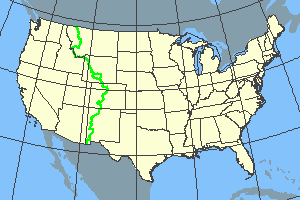
In last week’s post, I shared that I’m planning another thru-hike. This time, I’ll be tackling the Continental Divide Trail (CDT). The CDT is less well-known than the Pacific Crest Trail, which I hiked and blogged about last year. And the CDT is certainly less famous than the Appalachian Trail, America’s most popular long-distance hiking trail.
In this post, I’m answering some of the questions that I get asked when I tell folks I’m planning to thru-hike the Continental Divide Trail. If you’re wondering “How long does a Continental Divide Trail thru-hike take?” or “Is the CDT dangerous?” then read on!
What is the Continental Divide Trail?
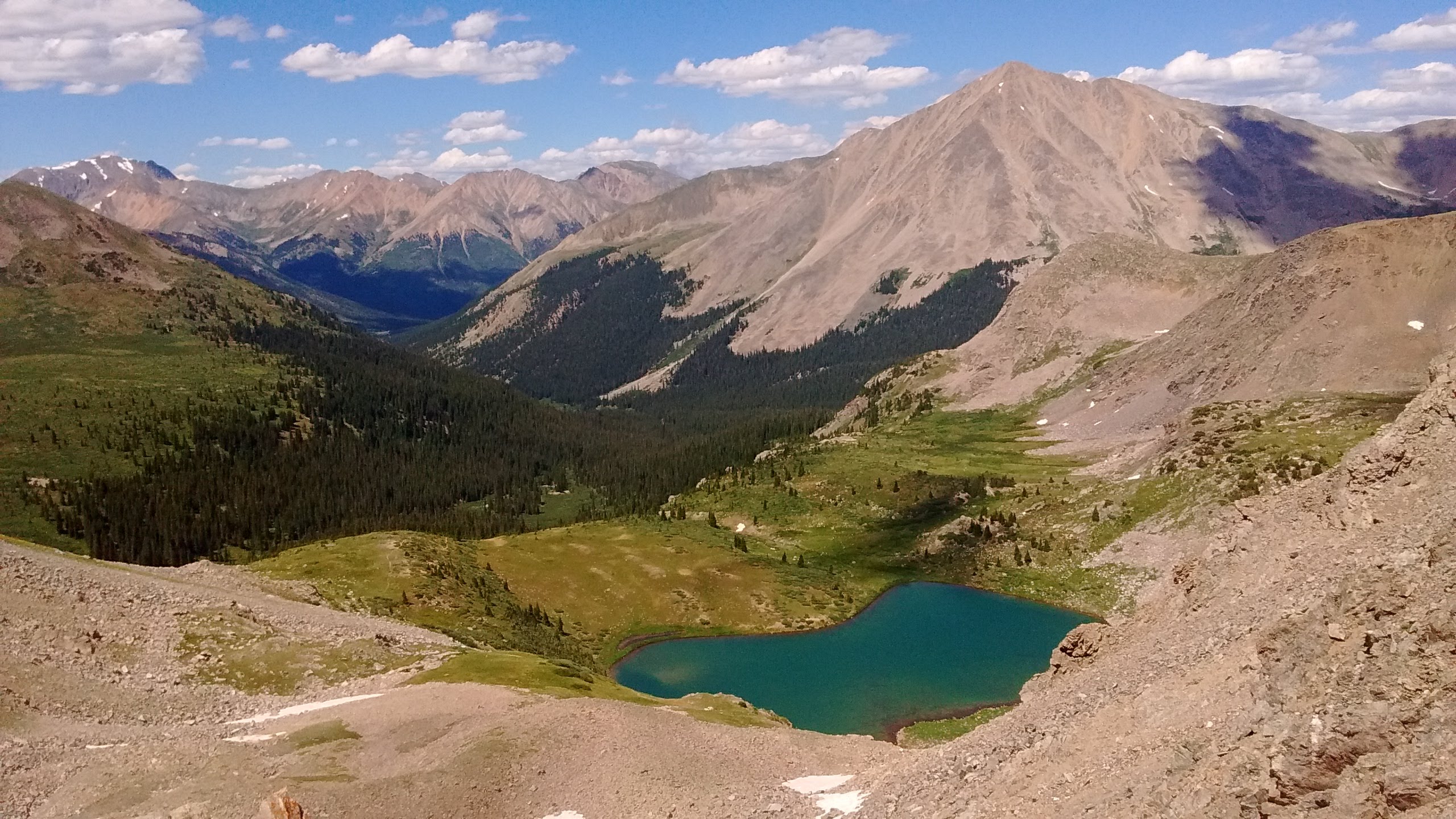
The Continental Divide Trail, or “CDT” is a ~3,000-ish-mile-long footpath in the western United States. It goes from the Mexican border to the Canadian border through New Mexico, Colorado, Wyoming, Idaho, and Montana. It follows or stays near the Continental Divide – an imaginary line along the top of the Rocky Mountains. This line separates the water that drains to the Atlantic and Pacific.
The CDT is similar to the Pacific Crest Trail and Appalachian Trail in some ways. It is a long-distance hiking trail traversing through wilderness areas, national forests, and national parks. But unlike the other two, the CDT isn’t always a single trail. There are many alternative routes and places where thru-hikers can choose their own adventure based on the route they pick. This is why the length of a CDT thru-hike can vary more dramatically from hiker to hiker.
What is a thru-hike?
Each year, many backpackers attempt to hike America’s long-distance trails from end to end. Thru-hiking means walking an entire long trail such as the Continental Divide Trail, Pacific Crest Trail, or Appalachian Trail (AT) in its entirety in one backpacking trip. There are also shorter thru-hikes, such as the Arizona Trail, John Muir Trail, and Colorado Trail.
There are three main ways to do a thru-hike of the Continental Divide Trail:
- Hike northbound (Mexico to Canada)
- Hike southbound (Canada to Mexico)
- “Flip-flop”, which means hiking part of the trail in one direction and the rest of the trail in the opposite direction.
How long does a thru-hike of the Continental Divide Trail take?
The Continental Divide Trail is longer than the Appalachian and Pacific Crest Trails. The Continental Divide Trail is about 3,000-ish miles long. However, because there are so many alternate routes, the length of a CDT thru-hike can vary significantly. The typical thru-hiker may spend 4-6 months completing the trail.
The length of the CDT poses a challenge because of the short weather window for thru-hiking the trail. Similar to the PCT, most northbound thru-hikers start walking through the desert in April or early May. Start earlier, and hikers risk reaching Colorado while the mountains are still socked in with snow. The end of the thru-hike is bound by the arrival of winter weather in northern Montana in September or October. All in all, the northbound hiking season is only about 5, maybe 6, months long.
For this reason, some hikers prefer a flip-flop or a southbound hike. Such itineraries can help some hikers hit certain areas at the ideal times for the weather.
Where does the Continental Divide Trail go?
The Continental Divide Trail spans from the Mexican border to the Canadian border. It crosses five states: New Mexico, Colorado, Wyoming, Idaho, and Montana.
Based on my conversations with former CDT thru-hikers and my (limited) section hiking experience on the CDT, these are some parts I’m looking forward to:
- The Gila River: a CDT alternative route in New Mexico
- Colorado: ~700 miles with big mountains, and my home state of almost 12 years
- Wind River Range: from what I hear, a highlight of Wyoming
- Yellowstone NP: geysers and geothermal sightseeing (plus, I’ve never been there before!)
- Glacier NP: grand finale of the CDT; grizzly country (eek!)
Is thru-hiking the CDT dangerous?
Like anything in life, a thru-hike is not without its risks. Exposure to heat and cold, dehydration, water crossings, animal encounters, severe weather, lightning strikes, injury, and illness are just a few of the risks that hikers (and their loved ones) worry about. While some of these dangers are blown out of proportion, others are very real.
Fortunately, there are steps that hikers can take to reduce their risk. A key step is educating oneself on the risks of traveling in the backcountry and having a plan of what to do if a dangerous situation arises. As a last resort, some hikers carry a personal locator beacon, which can be used to alert and/or communicate with rescue workers in an emergency.
What do Continental Divide Trail thru-hikers carry?
Gear varies from hiker to hiker. In general, thru-hikers usually carry typical backpacking gear including a shelter (tent/tarp), sleeping pad, quilt or sleeping bag, water bottles, and food. For more specific examples, you can read about my full starting gear list from the PCT and my PCT ending gear list from my adventures last year!
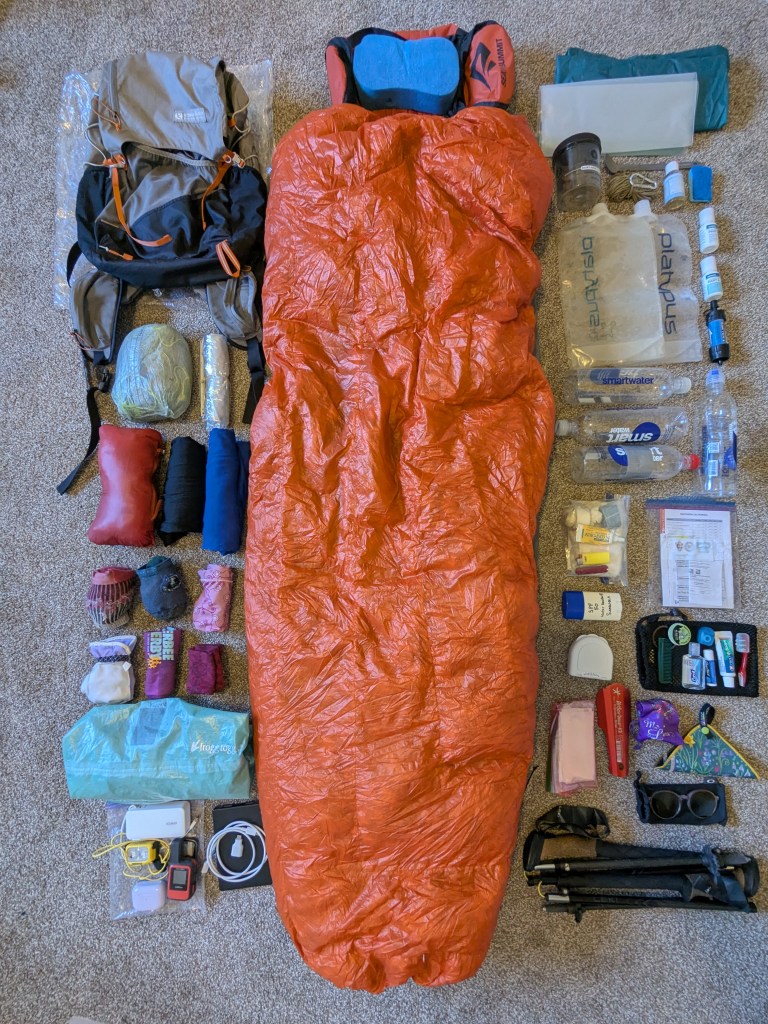
I’ll use most of the same gear on the CDT that I took on the PCT. However, I will make a few key changes. They are:
- Backpack: I used a frameless Gossamer Gear pack on the PCT (Kumo 36), which I liked. However, since finishing, I wore holes in my Kumo pack doing canyon stuff in Utah. So I’ll take my other backpack instead (ULA Circuit).
- Bear Storage: I used a BV500 bear canister for the portions of the PCT that required a bear canister. On the CDT, I’ll use an Ursack for the portions that require bear-safe food storage.
- Trekking Poles: I broke my Leki Trekking poles near the end of my PCT thru-hike. In the process of breaking my poles, I found out I don’t mind hiking with just a single pole. So I’ll be carrying a single Z-Packs pole this time around.
- Sun Umbrella: In the hopes of making desert hiking a little more enjoyable, I’m adding a sun umbrella.
- Clothes: Most of my garments from the PCT were totally worn out by the end (e.g., my hiking dress). I plan to replace these garments with the same or similar items.
Other than that, I plan on using mostly the same gear that I took on the PCT.
How will you get food on the Continental Divide Trail?
CDT thru-hikers resupply at towns and businesses along or close to the trail. Hikers can get from the trail to town by hitchhiking, walking on a road or side trail, or using a shuttle service (sometimes provided by trail-friendly businesses).
Some thru-hikers purchase food as they go at grocery and convenience stores. Others prepare packages of food in advance that they (or a designated person) ship to post offices or businesses along the route. Many thru-hikers use some combination of these two methods.
Another popular option is making a few resupply boxes in a trail town and shipping them to another trail town. This can be done mid-thru-hike. A hiker might do this if a trail town has a large/inexpensive supermarket. They send the boxes to towns further up the trail with poorer resupply options. This method allows for a bit more flexibility than preparing all of one’s boxes in advance. It is also a good option if one does not want to mail all their boxes in advance or ask a friend/family member to ship them.
On the PCT, I prepared boxes for some resupply stops and shopped in some towns, too. On the CDT, I’m planning to do the same. However, I will have considerably fewer boxes this time around.

Where will you get water on the Continental Divide Trail?
Thru-hikers fill their water bottles/bladders from natural sources such as streams, rivers, lakes, and springs. Most carry a water purification method such as a filter, UV water purifier, or chemical treatment to prevent contracting a waterborne illness such as giardia.
The CDT includes many long sections without reliable water sources. In some particularly dry areas, hikers rely on water caches or livestock water. It will be important to carry enough water from each source to make it to the next source. Water sources vary from year to year, but water carries could be 10, 15, or even 20+ miles between reliable sources and caches.

How many people thru-hike the Continental Divide Trail?
It’s difficult to say how many people start or complete a CDT thru-hike each year. For the last 5 years, the Continental Divide Trail Coalition (CDTC) recorded about 150-200 thru-hikers finishing per year. Further back in time, this number was even smaller. These numbers come from thru-hikers self-reporting their trail completions to the CDTC.
However, the number of self-reported finishers might be lower than the true number of finishers. Some thru-hikers might forget or choose not to report their thru-hike to the CDTC. Furthermore, some hikers will begin a CDT thru-hike but not finish, for various reasons (injury, family emergency, burnout).
To put things into perspective, about 600-1,000 people reported completing a Pacific Crest Trail thru-hike each year, in recent years (according to the Pacific Crest Trail Association website). And a whopping ~800-1,500 people reported finishing a thru-hike of the Appalachian Trail each year, in recent years (Appalachian Trail Conservancy).
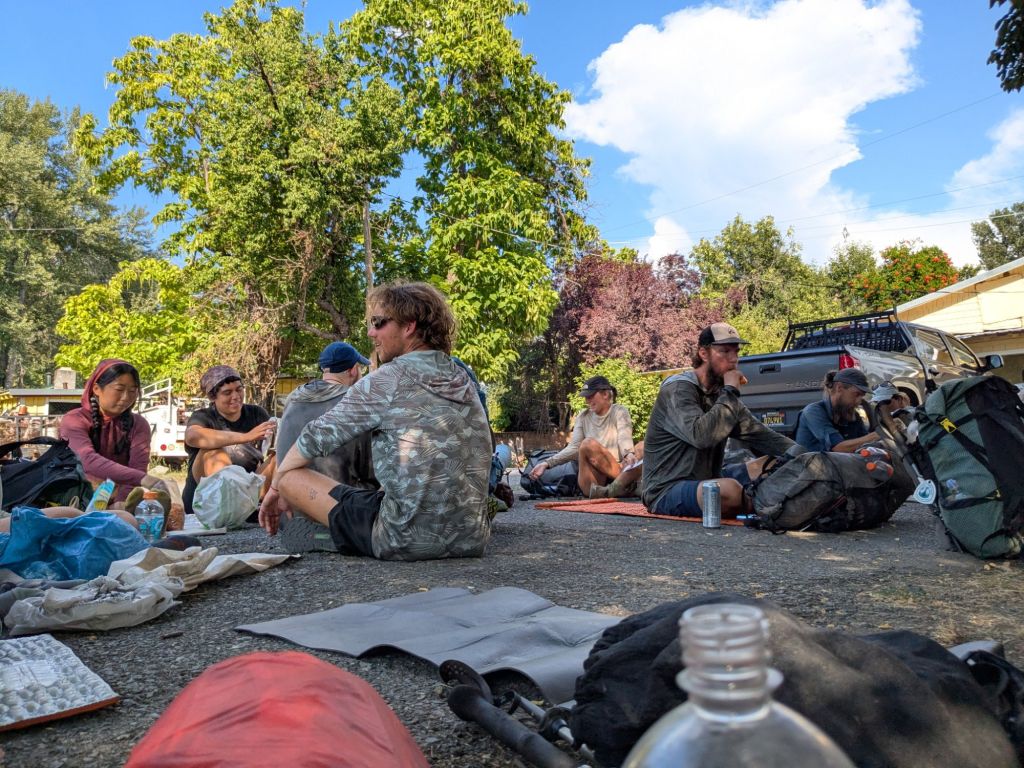
Relative to the CDT, the Appalachian and Pacific Crest Trails are hiker highways through the wilderness. The CDT is much less popular. Fewer thru-hikers on the trail can mean more time alone, fewer friends, and less chance of someone being nearby to help in an emergency. But it also means more quiet time in nature, less competition for campsites and hitches, and a more unique experience.
Personally, I’m excited for the ways the (relative) obscurity of the CDT will make it different from the PCT and AT. I find myself hoping a CDT thru-hike in 2026 is closer to what a PCT or AT thru-hike was like decades ago, before those trails became so highly trafficked.
Do you need a permit to thru-hike the Continental Divide Trail?
There is no “umbrella permit” for the CDT. However, thru-hikers like me need to obtain permits for certain areas the trail passes through. These include wilderness areas, National Parks, and the new National Defense Area along the US-Mexico border, where the southern terminus is located.
What’s the best time to start a CDT thru-hike?
The best time to start a CDT thru-hike will vary depending on the direction of travel, snow conditions, and the hiker’s abilities and preferences. Northbound hikers (those starting at the Mexican border) usually start the trail in April or early May. Southbound hikers start in early summer when the snow is usually sufficiently melted from the mountains in Montana.
What other questions do you have about the CDT or my planning process? Ask them in the chat below and I will do my best to answer!

 Adventures with Val
Leave a comment