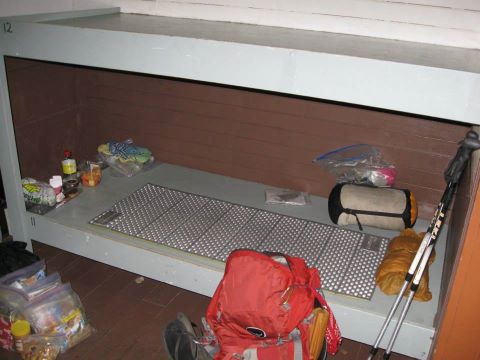
Recently I’ve started reading through my old Appalachian Trail journals from my 2014 thru-hike, in preparation for upcoming adventures. I’m learning a lot from this walk down memory lane. There were many surprising things that I’d forgotten about my thru-hike. Especially when it comes to my habits around neros and zeros. For example:
- I didn’t zero until day 33 of my hike!
- I didn’t take a second zero until day 66 of my hike.
- I took 13 zeros in total, 9 of which were consecutive when I got off trail to visit New York City and then fly to Florida for a graduation celebration.
- The longest I went without a zero was 32 days.
- The longest I went without a zero or nero (“near-zero”) was 18 days!
- I took a LOT of neros in the beginning and end.
- I often took a nero back-to-back with another nero or zero.
- There was no schedule or pattern in my zeros and neros. I just took them when I needed them, based on weather, logistics, mood, etc…
- I did many resupply stops without zeroing or neroing.
In this post, we’ll dive into zeros and neros on the Appalachian Trail (AT)! I’ll tell you about the difference between a zero and nero, why hikers zero, and where I zeroed on the AT. I’ll also share the key things I learned about neroing and zeroing.
Sharing is caring:

What is a zero?
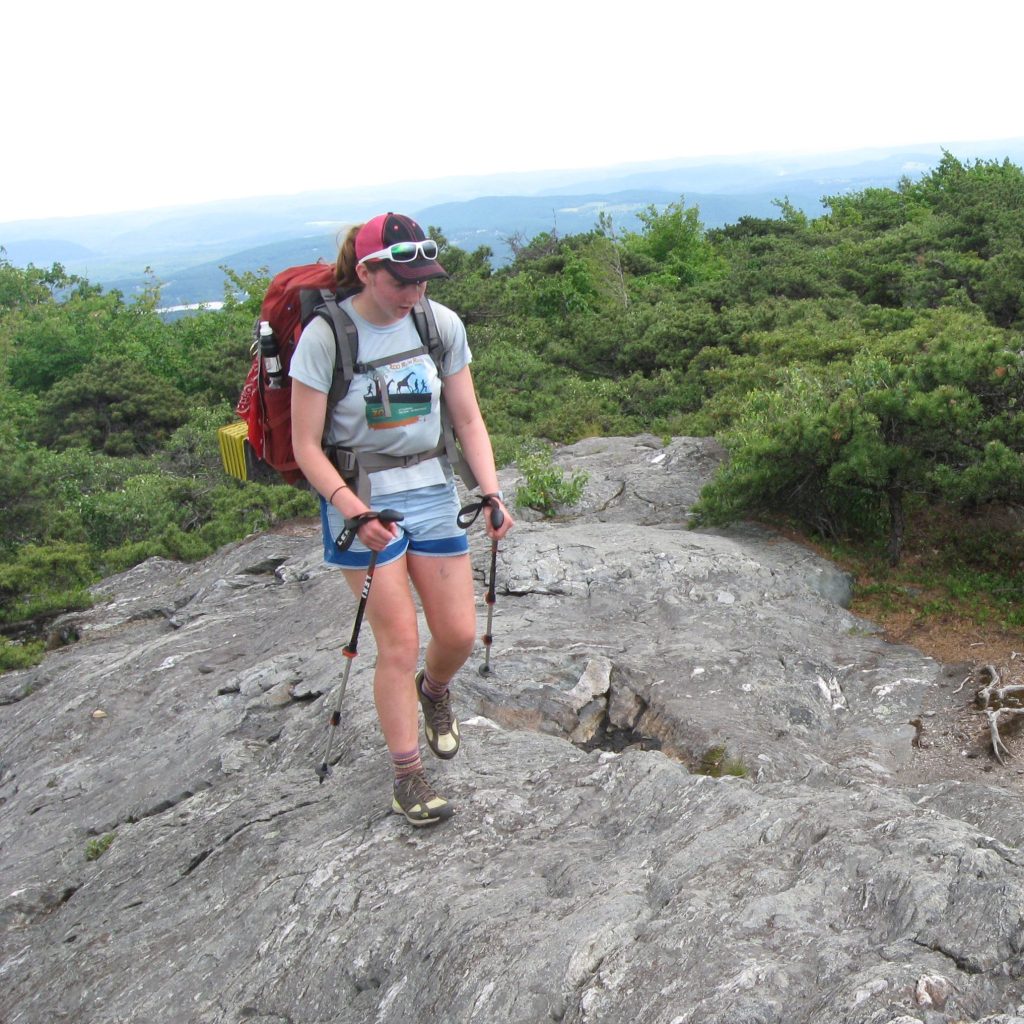
A zero is any day where a thru-hiker covers no miles. In other words, it is a rest day. These days are often spent in a trail town at a hostel, hotel, or established campground. Though sometimes hikers take a “trail nero” at a dispersed campsite. Zero is a noun or a verb. For example, “My feet are so sore, I need a zero soon” or “She’s zeroing in nearly every trail town“.
What is a nero?
A “nero” is “near zero”. Nero means different things to different hikers. It’s hard to say what mileage constitutes a nero. My pace varied a ton throughout my thru-hike depending on terrain, weather, etc. For example, an 8-mile slog through snow in the Smokies isn’t a nero to me. But a 9-mile downhill hike into town before noon is a nero to me. My personal definition of a nero is any day where the primary activity is not hiking. My neros usually involved eating at least two meals in town. Once I got past the snow and got my trail legs, anything less than ~10 miles felt like a nero to me.
Why do thru-hikers zero or nero?
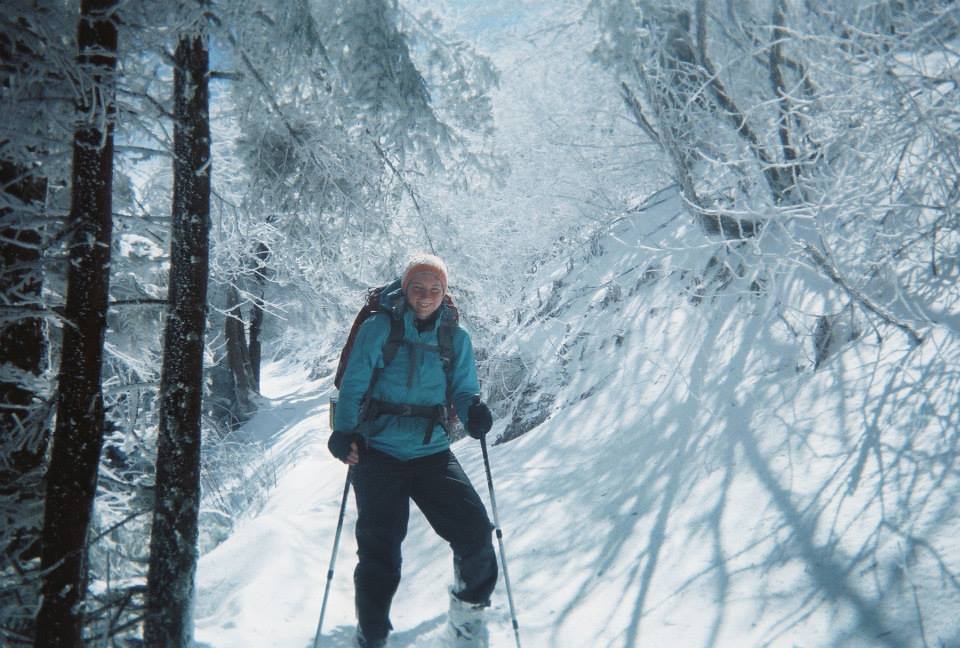
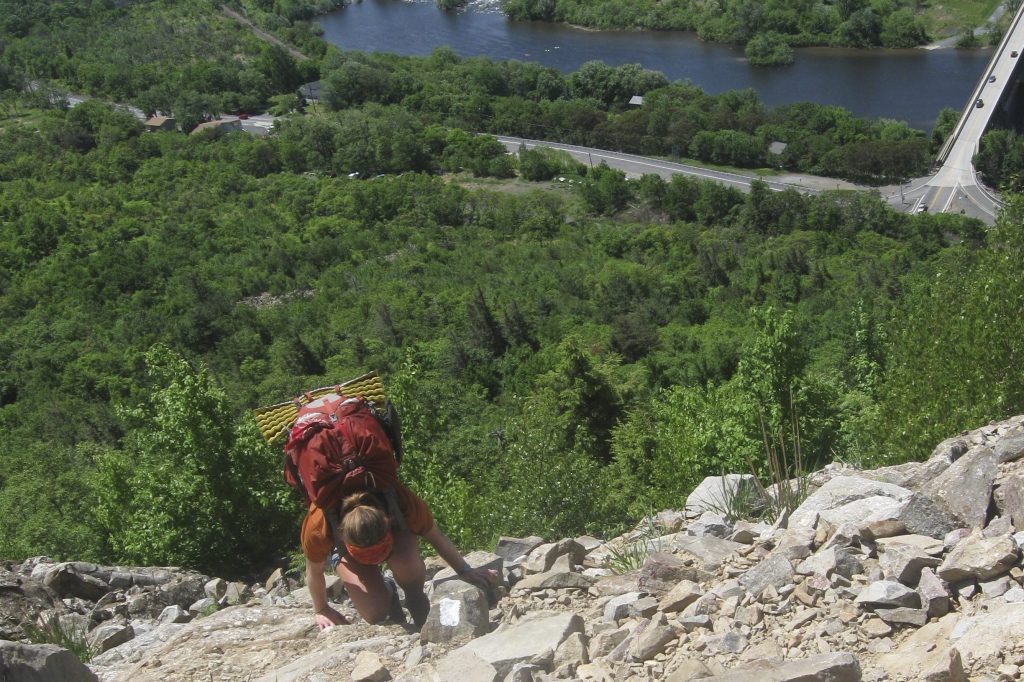
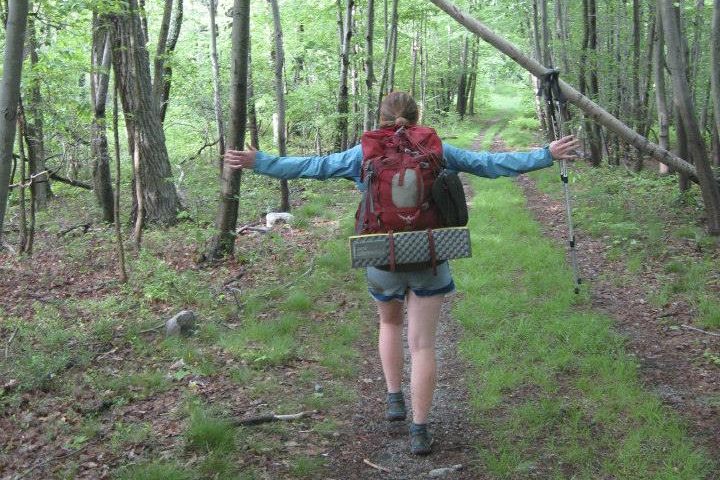
Lots of reasons. Some hikers take very few zeros and neros to stick to a certain schedule or spend more time in nature. Other hikers nero or zero frequently to spend more time experiencing cool trail communities along the way. Both are valid ways to thru-hike. A thru-hiker may take a zero or nero…
- To do things that can’t be done on trail (e.g., grocery shop, replace gear, etc…).
- To relax and let the body recover from hiking.
- For a change of scenery after days in the wilderness.
- To recuperate from an illness or injury.
- To wait out bad weather or conditions on trail.
- To wait for a friend or hiking partner to catch up.
- To meet up with friends or family visiting you on trail.
- To temporarily get off trail (e.g., for a wedding, funeral, graduation, etc…)
Places Where I Zeroed
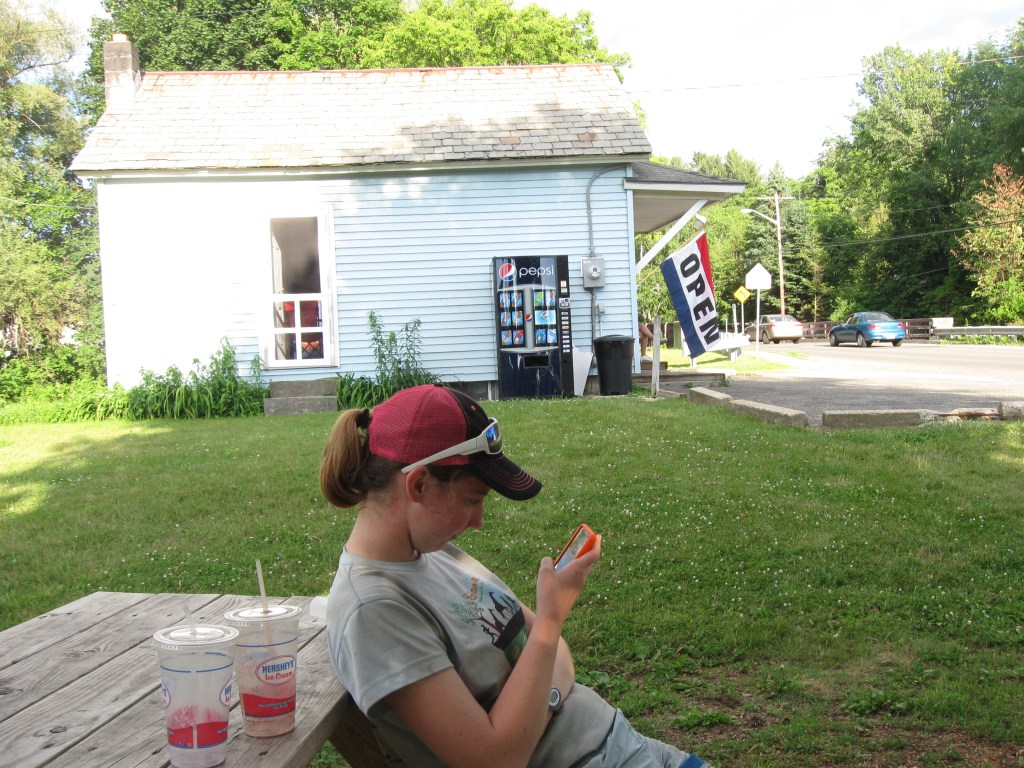
In total, I took 13 zeros. Nine of these were consecutive when I got off trail for a trip. The other four were for various reasons, including illness, bad weather, and relaxation.
These are not necessarily the best places to zero on the AT, but they are where I needed them. Below, I list where and when I took each of my zeros.
Day 33
- Location: Hampton, TN (Kincora Hiker Hostel)
- Activities: I was sick! This was NOT how I’d hoped to spend my first zero of the trail. The following day, I neroed and slackpacked since I was still recovering.
Day 66
- Location: Front Royal, VA
- Activities: I stayed with a friend of a friend on their farm near trail. I relaxed, resupplied, went to the post office, and swapped out some gear. I also decompressed a little after hiking a lot of consecutive high mileage days through Shenandoah National Park.
Days 95 – 103
- Location: CT341
- Activities: I got off the trail in Connecticut for a trip. My Grandma, who lives in New York State, picked me up from trail. We spent a day exploring New York City before she dropped me at the airport. I spend a week in Florida for a graduation celebration. Then my Grandma helped me get back to trail.
Day 128
- Location: Gorham, NH (Hiker’s Paradise Hostel)
- Activities: I was waiting out some bad storms in the White Mountains. Since I’d neroed the previous day I had already resupplied and done laundry. So I mostly spent the day eating and napping.
Day 136
- Location: Rangeley, ME
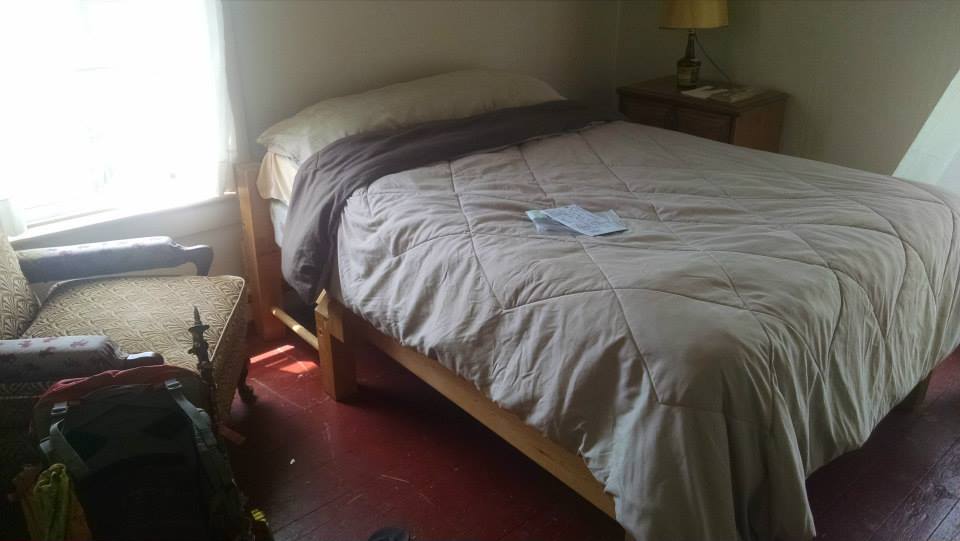
- Activities: I went into the trail town of Rangeley to resupply. I liked it there so much that I decided to hang out for a while. I neroed then zeroed. I also was exhausted and just wanted to sleep in a bed.
Key takeaways?
- It’s possible to resupply quickly on the AT. I didn’t zero or even nero in many AT trail towns. Once, I went 18 days without a zero or nero. But I still resupplied. You can get into town, resupply, and get out quickly if you want to.
- Zero or nero – which is better? I took a lot of back-to-back neros. Would I have felt more rested if I’d just taken a zero instead? Who knows. My philosophy was that neros saved money (i.e., only paying for one night at the hostel instead of two). This strategy worked pretty well for me.
- Getting off trail for a while can really slow you down (9 consecutive zeros in my case!). This is a bummer because you’ll fall behind your trail friends and might struggle to catch back up.
- Meeting up with friends and family is a double-edged sword. Meet-ups with family or friends along the trail can be a morale boost. But can also add significant time to a thru-hike and cause you to get out-of-sync with your trail friends.
- The start is tough: snow, long climbs, and acclimatizing to hiking all day. In the beginning, I took plenty of neros to rest up and avoid injury and burn out.
- The end is tougher: physically and mentally. Towards the end, I started zeroing or neroing more frequently to rest and recover.
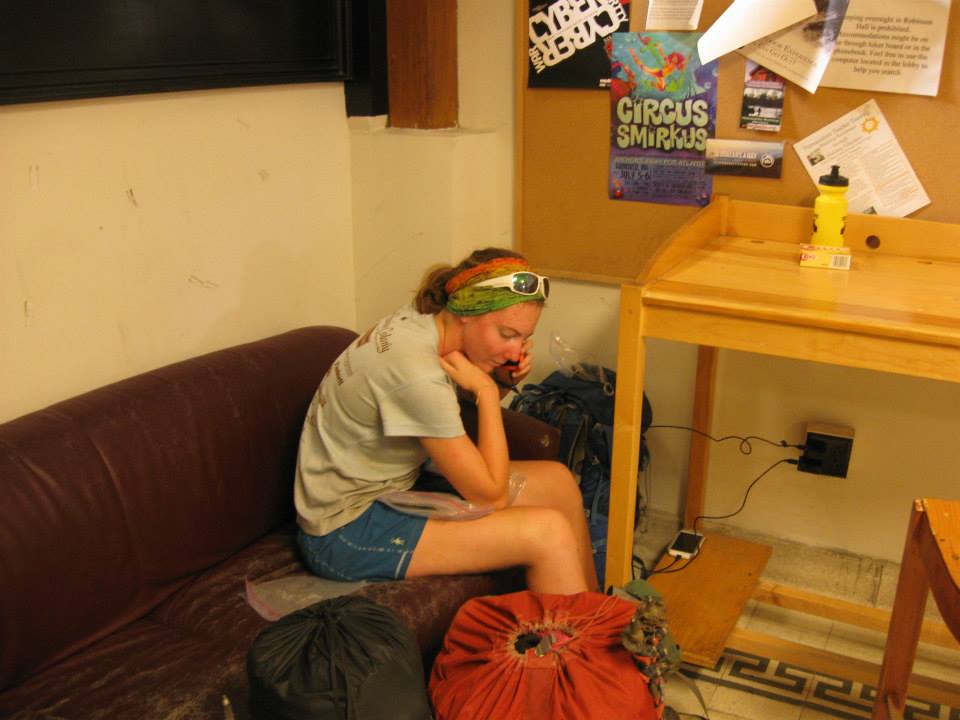
What’s your favorite way to spend a zero? Do you prefer zeros or neros? Join the conversation below.


Leave a Reply