Are you (or your family member) taking a gap year to thru-hike a long trail such as the Appalachian Trail or Pacific Crest Trail? There are many great reasons to take a gap year to thru-hike before starting college.
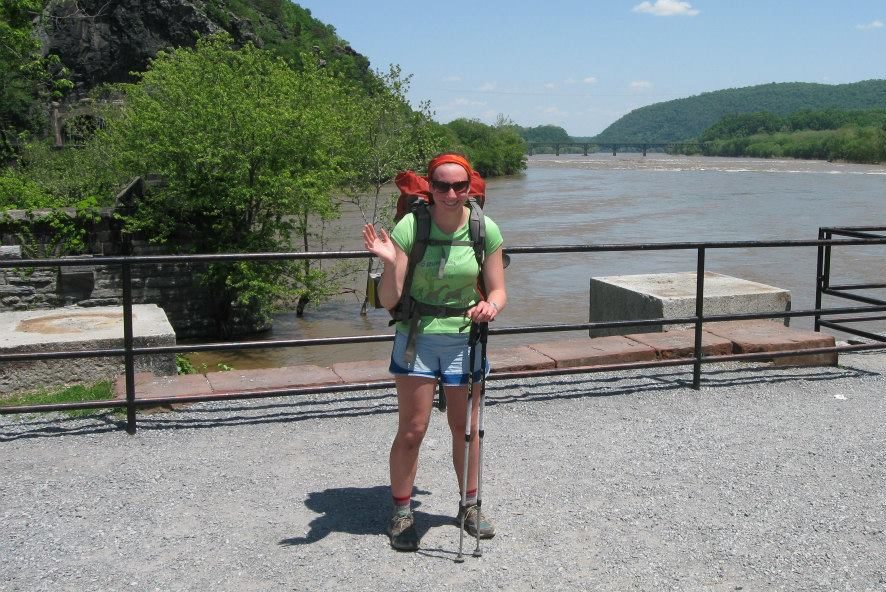
I thru-hiked the Appalachian Trail (AT) when I was 19, during my gap year between high school and college. That was 10 years ago, so I’ve had plenty of time to reflect on the experience. Overall, this was a wonderful time in life to thru-hike! However, thru-hiking between high school and college did pose several big challenges. Below, I’ve listed 10 pros and 5 cons to taking a gap year before college to thru-hike.
Sharing is caring:
Pros
1. It’s easiest to thru-hike during times of transition
Thru-hiking is most easily done at times of transition: after graduation, before starting a new job, or upon retirement. Thru-hiking at these times is much easier than uprooting your life to thru-hike later. Later, you may have responsibilities that pose barriers to spending months in the woods (family commitments, a career, student loans, a mortgage, to list a few). Before starting college is a great time to thru-hike since you have fewer obligations.
2. Many colleges let you defer enrollment for a year
There’s no need to worry about applying to colleges during your gap year. You can apply at the same time as your classmates. After you accept an offer, contact admissions to request a 1-year deferment. The deferment application at my university was only one page long and super simple. It asked for my name, address, and reason for deferring (spoiler alert: turns out “to thru-hike” is a valid answer!).
3. You will meet lots of other young people thru-hiking
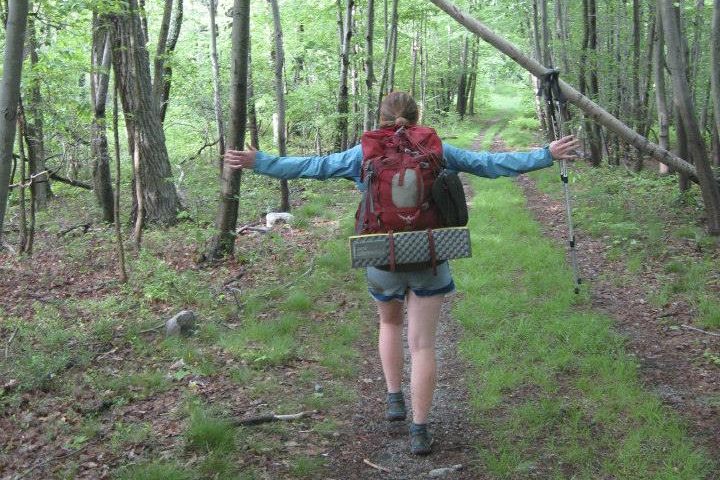
People of all ages and backgrounds thru-hike – this is part of what makes the trail community so great! However, in my experience, young people and retirees are the two best-represented age groups on trail. You will certainly meet other young people taking a gap year or break from school or work.
4. Your body will adapt to the demands of thru-hiking
When you’re young, your body is resilient, which will help you adapt to the demands of hiking all day. You might be less likely to suffer an over-use injury, especially if you are already active. (Though at any age, proper training for backpacking is important!). Furthermore, I can tell you from experience that sleeping on the ground is more comfortable when you’re younger.
5. A gap year gives you time to save money and prepare for your trip
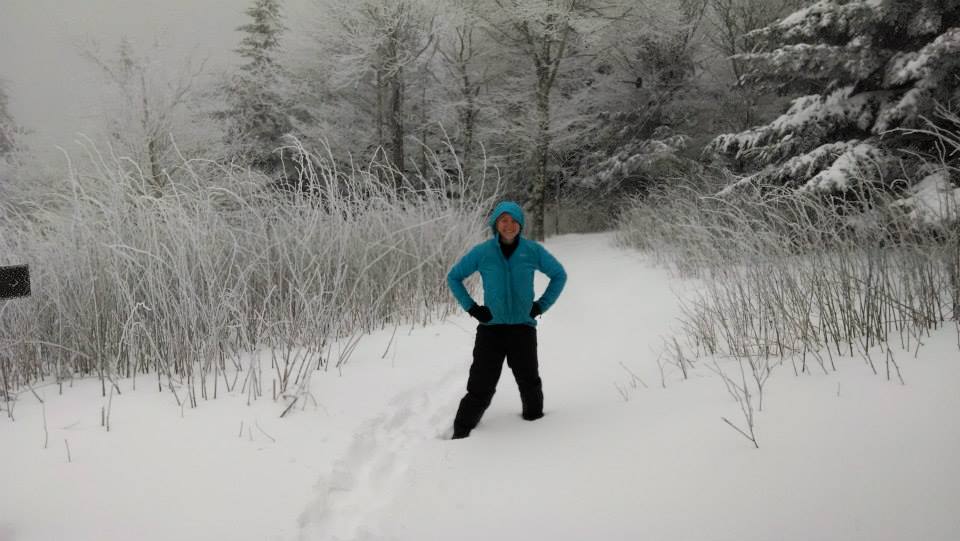
Since thru-hiking won’t take a whole year, you can spend several months of your gap year working and saving up. I lived at home for the fall and winter of my gap year while working as an indoor pool lifeguard. If living at home is an option for you, I recommend taking advantage of it! You could also use this extra time to take courses on wilderness first aid, leave-no-trace practices, or outdoor survival skills. On weekends, get outside and do practice hikes to test your gear.
6. A gap year gives you plenty of time to finish your thru-hike
Perhaps you’re wondering if you should forget the gap year and just thru-hike over the summer break before school starts? At many universities, summer break is about 3 months long. That’s more than enough time to thru-hike shorter trails like the Colorado Trail or John Muir Trail. But what about the Appalachian Trail or Pacific Crest Trail? While some highly-motivated hikers do complete these trails in three months, most hikers take longer to finish. A gap year lets you start your northbound thru-hike in spring and finish by the start of fall semester. I liked my Appalachian Trail start date of March 11, which gave me about 5 months to reach Katahdin.
A southbound hike might fit even more nicely into a gap year, or even into a gap semester. On the AT and PCT, southbound hikers typically start in early to mid-summer. So you could start your hike after school gets out and finish by the late fall.
7. Thru-hiking can change your relationship with food
The typical thru-hiker diet is full of highly processed, pre-packaged snack foods: snickers bars, pop-tarts, jerky, ramen, etc. Several months of living off these staples with limited access to produce can alter your perspective on food. I was a picky eater before thru-hiking, but after, I was excited to eat ANYTHING that wasn’t processed or pre-packaged. This motivated me to cook and try new recipes while in college – which was cheaper and healthier than relying on the dining hall or microwave meals. To this day, I enjoy cooking nutritious meals and exploring new flavors.

8. You’ll build skills that transfer to the “real world”
I don’t think I had any great epiphanies or “found myself” during my gap year. However, thru-hiking did help me build skills and qualities in me that transfer to the world off the trail. I’m talking about things like adaptability, problem-solving, confidence, and grit – and these things stay with you after your hike ends.
9. It might help you get a job someday
You can put a thru-hike on your resume! A thru-hike can be a unique conversation starter in job interviews. When I started college, I applied for an on-campus job. During my interview, we spent more time chatting about the Appalachian Trail than discussing my work experience. Though I can’t be 100% sure it was because of my thru-hike, I got the position!
10. You won’t regret giving yourself time to have a once-in-a-lifetime adventure
Thru-hiking can be a great thing to do when you’re not quite sure what you want to do next. Who knows, maybe you will “find yourself”. But even if you don’t, you are unlikely to regret choosing to spend your time thru-hiking. Taking a gap year to thru-hike beat rushing into a degree when I was still unsure of my career goals. Even if you have a great plan for afterward, you still won’t regret delaying your plans for this once-in-a-lifetime adventure.
Cons/things to be aware of:
1. You may have limited emergency savings
In addition to whatever you’re budgeting for your hike, it’s important to have a bit of emergency savings. Most likely, at some point, something will go wrong – leading to an unanticipated expense. If possible, have some wiggle room in your budget for the unexpected: whether it’s replacing a broken piece of gear, a trip to urgent care, or an unplanned night off-trail in a pricey hotel.
2. You might experience some culture shock
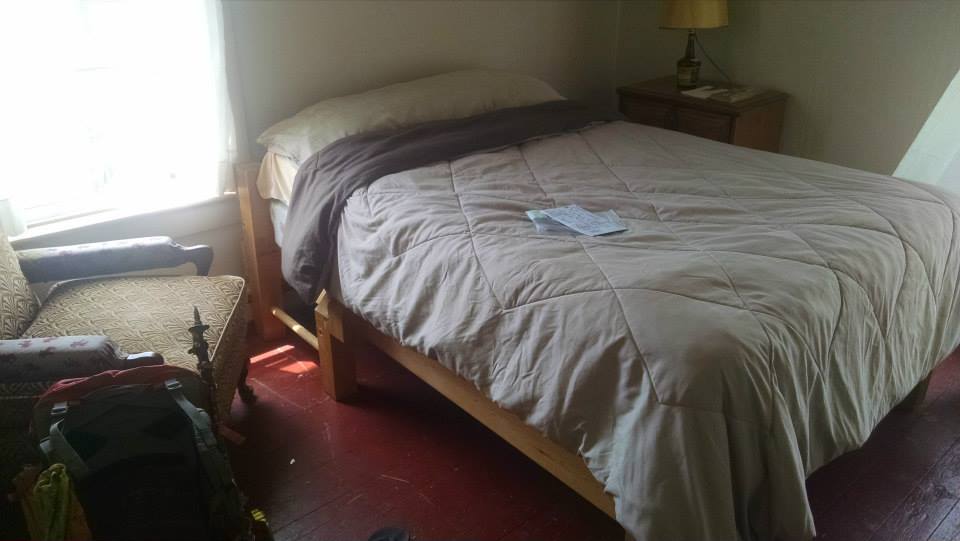
In my experience, the thru-hiking community is full of kind, accepting people who look out for one another. Even so, I experienced some culture shock upon starting the AT, coming from my wonderful but somewhat sheltered upbringing. As a thru-hiker, you will meet all sorts of different people on trail and in trail towns. You may encounter folks who have very different world views from you, homeless people living on trail, and rowdy partiers in the hostels or shelters.
However, this is no reason not to thru-hike. Realistically, anyone heading out on their own for the first time will experience some culture shock – whether they’re thru-hiking, moving into their first apartment, or starting college. Know your values, trust your instincts when navigating new situations, and you’ll be fine.
3. You will need to finish hiking by the time school starts
The fall semester starts sometime between mid-August and early September at most universities and colleges. You may also be required to attend an orientation the week before classes start. This will create a hard deadline for completing a northbound thru-hike. You will need to stick to a schedule to finish your hike on time. I finished my AT thru-hike on August 9th and started freshman orientation at my university about a week later. After being on the trail for so long, I felt super weird walking around campus without my trusty trekking poles!

4. You may struggle to find your people post-trail
Despite coming from different background, thru-hikers all share a common dream and experience to bond over. Meaningful connections are forged on trail, especially because there’s limited access to distractions like the internet. After your hike, you may miss the ease with which friendships form on the trail. Finding new communities post-trail may take some time and effort. Dorm life after a gap year may feel especially awkward and restrictive. You are used to being self-sufficient and independent on trail. Even if you feel out of place at first, be patient and be intentional about forming new connections post-trail.
5. Navigating post-trail depression
After finishing a thru-hike, many people experience difficulties adjusting back to “normal life” and coping with homesickness for the trail. You may long for the simplicity, daily adventure, and sense of purpose you got from your life on trail. These feelings are part of the phenomenon known among thru-hikers as “post-trail depression”. If you thru-hike during a gap year, the post-trail blues may hit right as you starting school. As if starting college isn’t hard enough already!
Staying active and staying connected with friends and family from both on and off the trail can help. Finding a new hobby or obsession helps too. After my AT thru-hike, I got into rock climbing at my campus climbing gym. This allowed me to move my body daily and helped me make new friends. Meditation, running, writing, or giving back through trail work also help some hikers cope with post-trail depression. And if you find yourself struggling, don’t be afraid to seek help.
Are you or your family member taking a gap year to thru-hike? What are your biggest concerns? What are you looking forward to most? Join the conversation below.


Leave a Reply