If you are planning a thru-hike of the Colorado Trail, you’ll need to decide between the Collegiate East or Collegiate West routes through the Collegiate Range. I’ve hiked both routes twice, and I’m here to help you make that decision! During my 2016 thru-hike, I opted for the Collegiate West. Then I went back and did the Collegiate East afterward. In 2024, I hiked the Collegiate Loop as a stand-alone backpacking trip. Both the Collegiate East and Collegiate West have pros and cons. In this post, we’ll analyze those pros and cons so you can choose the best route for you!
Sharing is caring:
What are the Collegiate East and Collegiate West?
The Colorado Trail is a ~500-mile footpath in Colorado, that goes from Denver to Durango. The Colorado Trail splits into two routes for about 80 miles. If you’re hiking southbound, you’ll reach the split just past Twin Lakes at the north end of the Collegiate Range. The two routes are known as the Collegiate East and Collegiate West. These routes rejoin just beyond Highway 50 (aka the Salida resupply stop).
Together, the Collegiate East and West form the “Collegiate Loop” – a popular 160-mile backpacking route. However, Colorado Trail thru-hikers will pick just one side of the loop. Technically it is possible to hike both the Collegiate West and East during a thru-hike, but this involves getting a ride back up the trail or ~80 miles of backtracking.
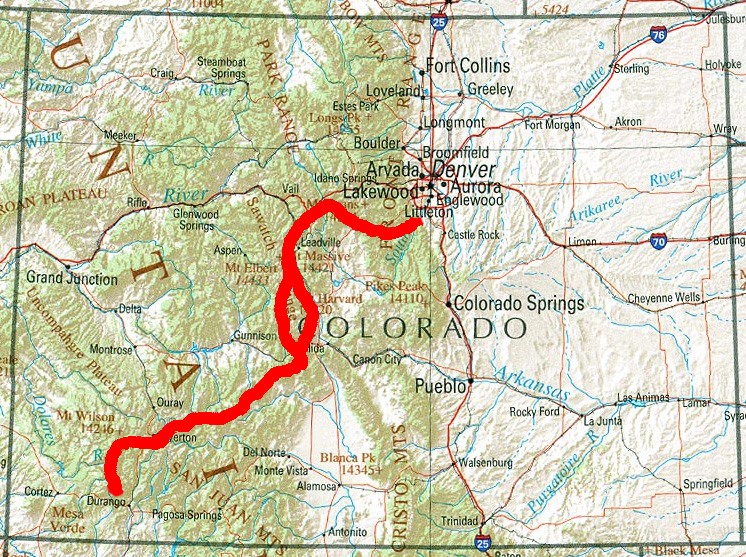
There are some big differences between the Collegiate East and Collegiate West. The ~85-mile Collegiate West roughly follows the Continental Divide, taking hikers over high passes and into big mountains. On maps and in guidebooks, it is divided into 5 segments designated CW01 – CW05.
The Collegiate East is slightly shorter, about 79 miles, and follows a lower-elevation path across the front side of the Collegiate Range, overlooking the Arkansas River Valley. The Collegiate East begins in CT segment 11 and ends in segment 15 (read my post ranking all 33 CT segments from worst to best!)
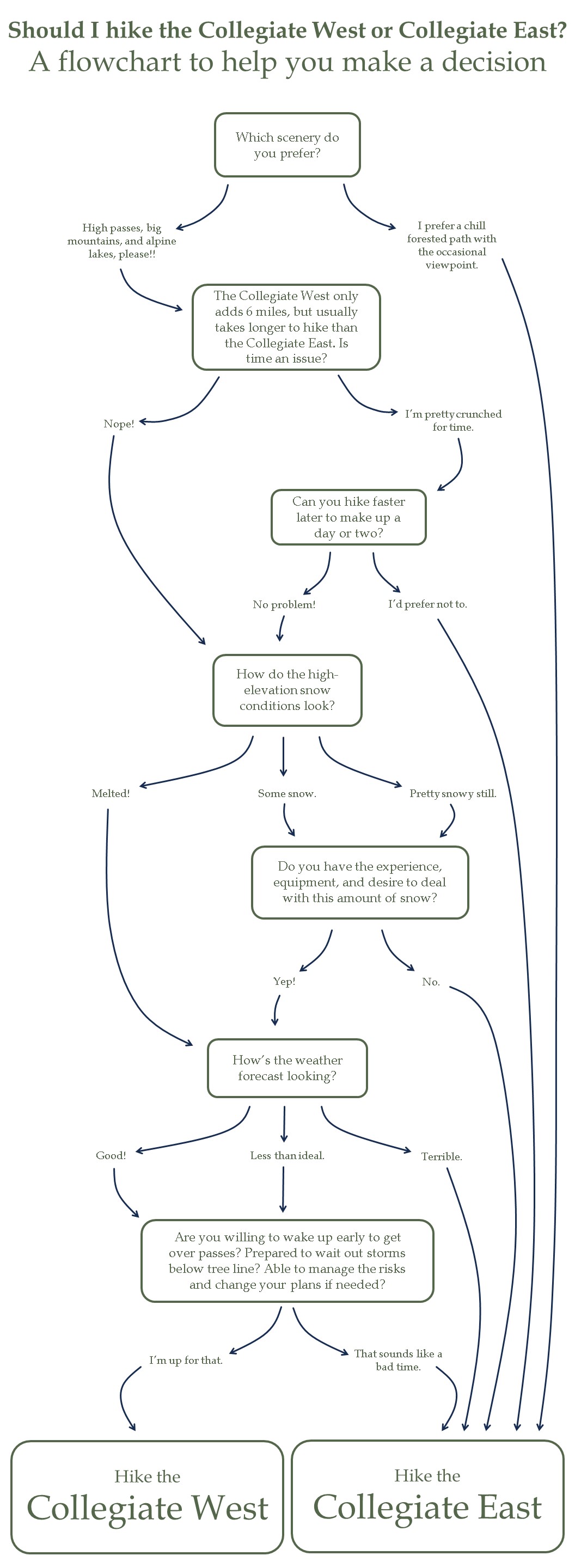
There are many reasons a thru-hiker might choose the Collegiate East or Collegiate West. Ultimately, only you can make that choice for yourself. But to help you decide, I made a flowchart! Below the flowchart, I’ve outlined some considerations for CT thru-hikers deciding between the Collegiate East and West. And at the end of this post, I reveal my personal preference.
Collegiate East or Collegiate West: Considerations
Scenery
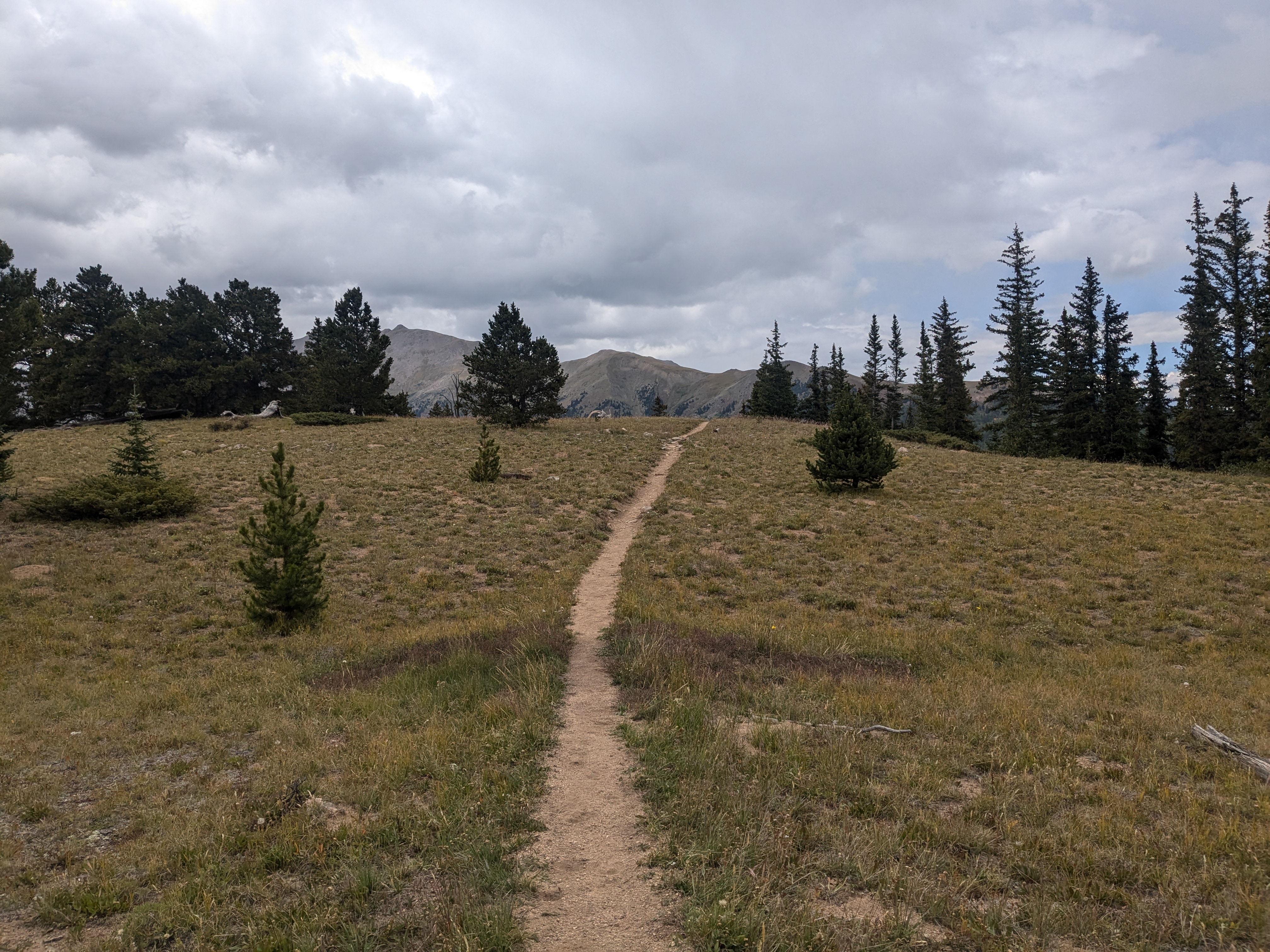
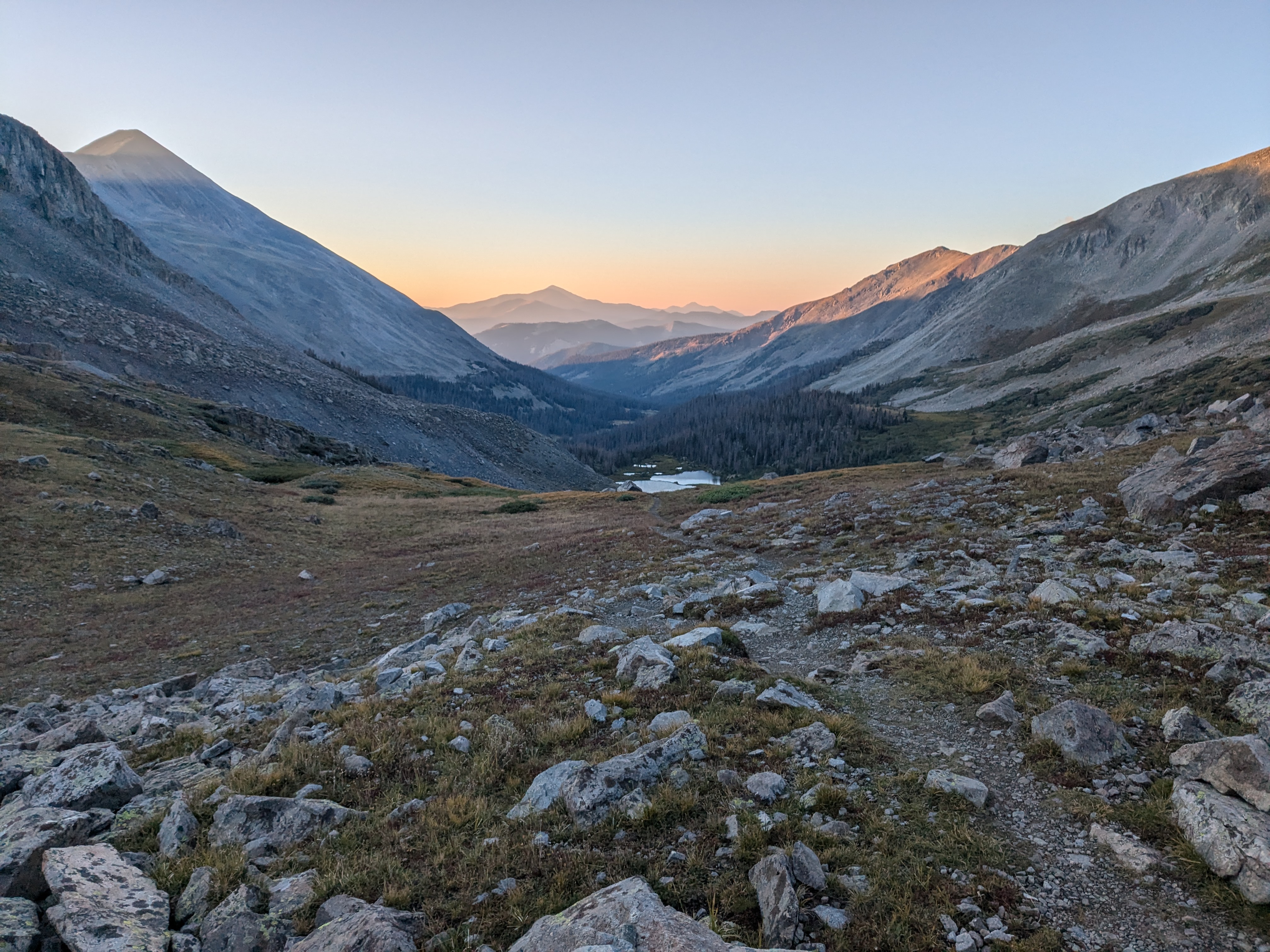
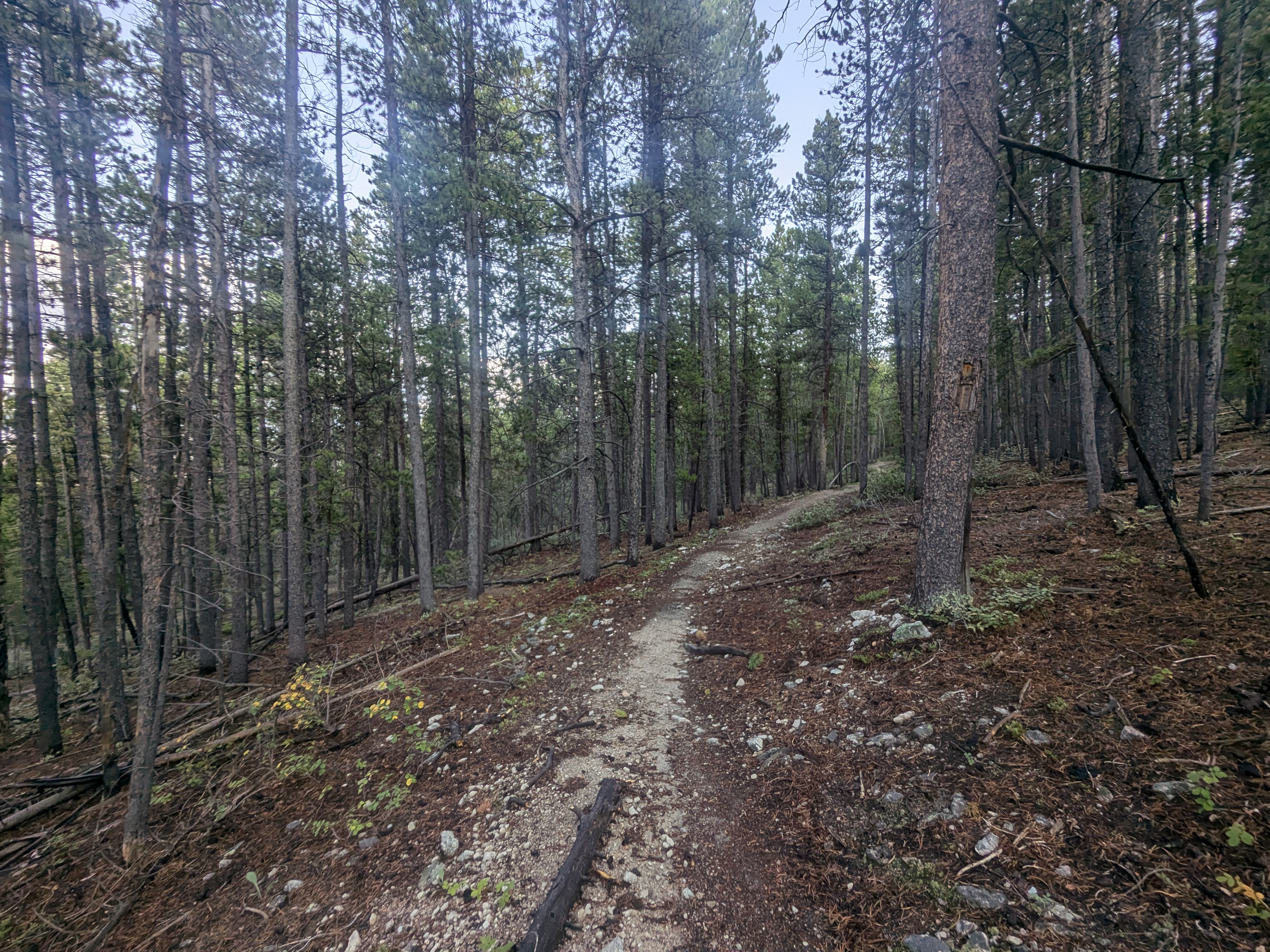
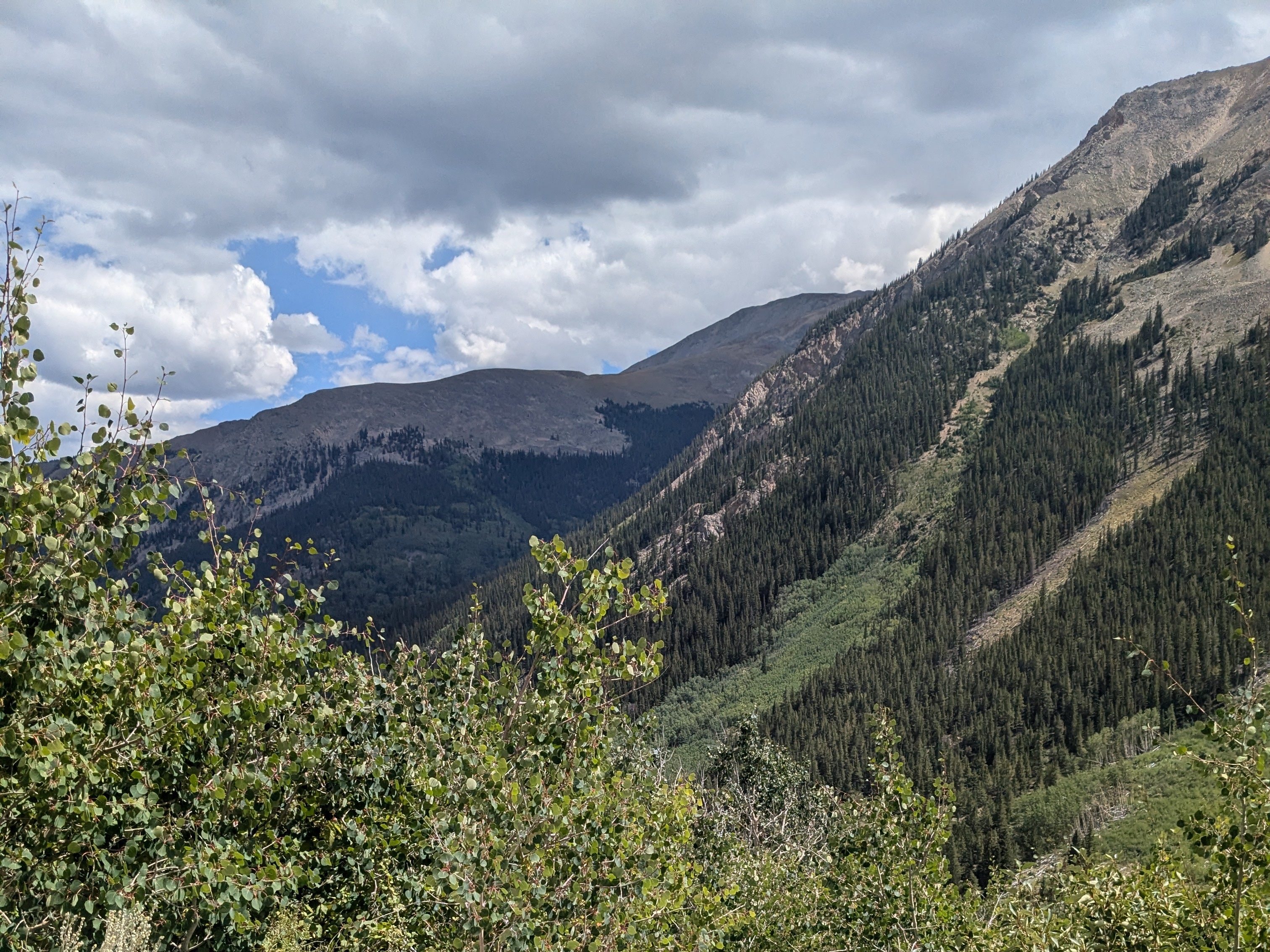
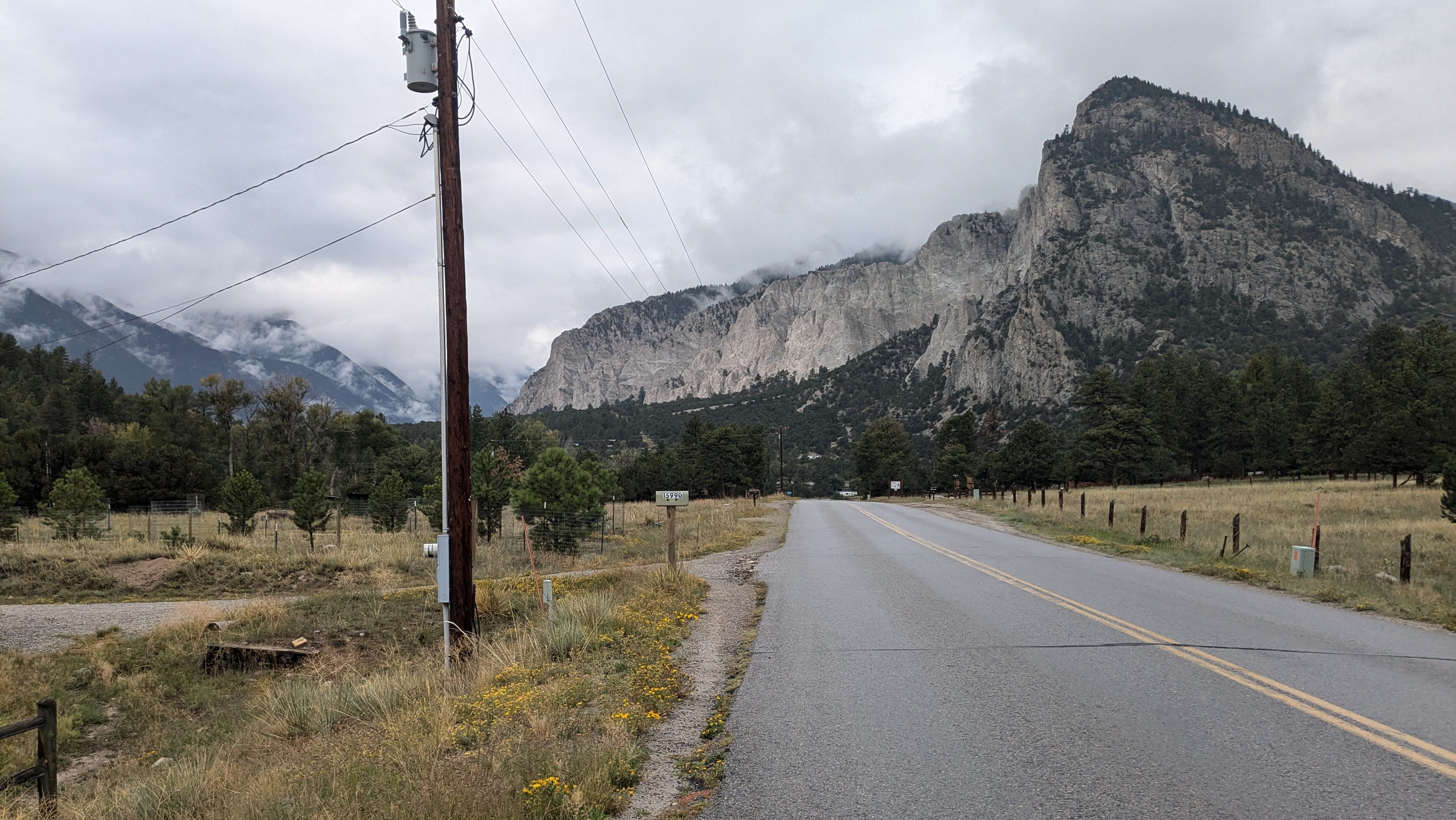
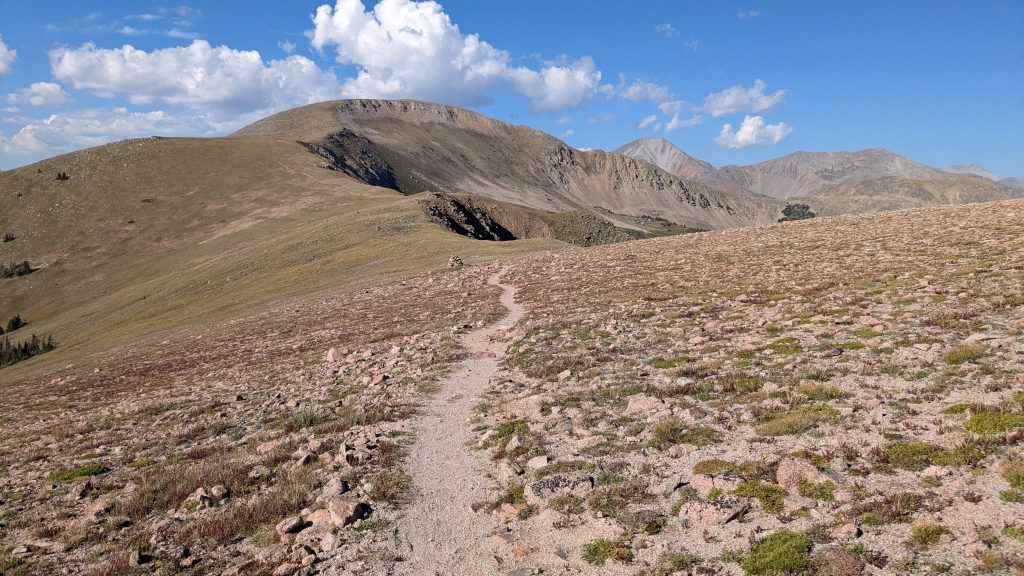
Many hikers prefer the scenery of the Collegiate West. If mountain passes, high ridges, and alpine lakes are your thing, the Collegiate West won’t disappoint. However, the Collegiate East is lovely in its own way, with aspen groves, pine and spruce-fir forests, sagebrush, and views of the nearby 14ers. And speaking of 14ers, if you want to add one to your route, you can do it from the Collegiate East (e.g., Mt Yale)!
Ultimately, scenery is a matter of personal preference. As you can tell from the photos below, the Collegiate East and the Collegiate West are different but both are beautiful!
Weather
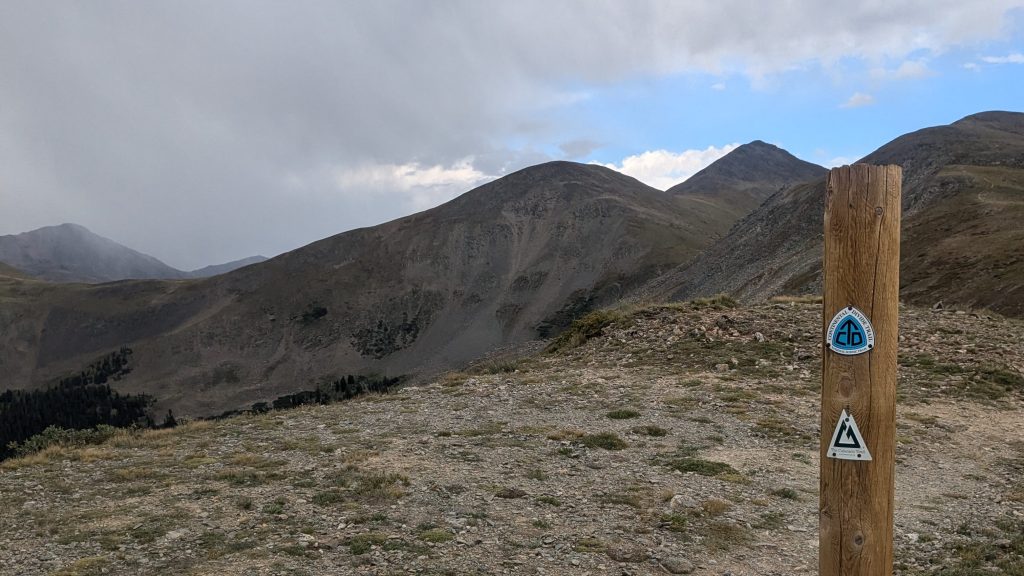
In the Collegiate Range in summer, afternoon thunderstorms can be a daily occurrence. But cloudless sunny days, socked-in rain, high winds, and even hail are possible too! When you’re close to the split, check the weather forecast. Will the predicted weather conditions prevent you from enjoying hiking or staying safe while above tree line? If so, opt for the Collegiate East.
Regardless of the weather forecast, hikers should always know what to do if bad weather rolls in. This is important anywhere on the Colorado Trail, but especially in high-elevation sections like the Collegiate West. You may need to wake up early to get over high passes before afternoon thunderstorms. When traveling above tree line, mind the sky and look for possible escape routes downhill if you need to find shelter quickly. It’s also a good idea to have a little extra food so that you can adjust your plans and wait out storms if needed.
In addition to precipitation, consider the temperature. Overnight lows are colder at higher elevations. Bring layers and a sufficiently warm sleeping system in the Collegiate Range, even in summer.
Snow Conditions
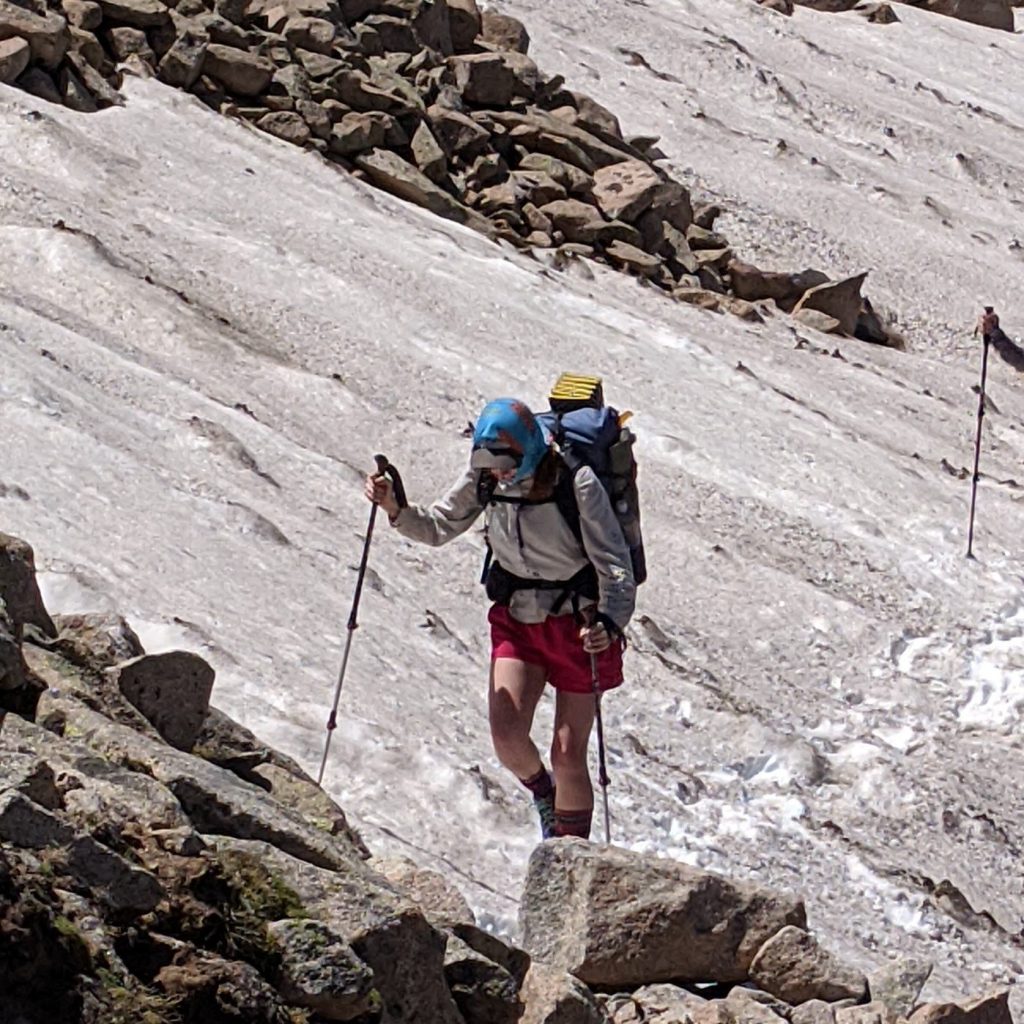
How do you feel about traveling on snow? Your answer to this question may help you decide between the Collegiate East and West. If you reach the Collegiate Range in early summer (e.g., June) or if it is a big snow year, you’ll need to factor the snow conditions into your decision. In general, the snow melts later at higher elevations. Therefore, the Collegiate West stays snowier for longer than the Collegiate East. Personally, I’ve never hiked on the Collegiate West earlier than July, and I’ve never run into more than a few short snowfields to cross. But every year is different. Check the snow conditions (external link) and consider your experience and comfort level traveling on snow before you head out.
Time Constraints
The Collegiate West is only about 6 miles longer than the Collegiate East. However, I met several thru-hikers who chose the Collegiate East because they believed they could hike it faster than the West. This notion has less to do with the added distance, and more to do with the terrain. Even so, I doubt choosing the West could add more than an extra day or two unless there is still significant snow or the weather forces you to delay going over passes.
Personally, I don’t think picking the Collegiate West on my thru-hike slowed me down much (note I had excellent weather!). I eventually caught up with several friends who took the Collegiate East. If you have limited time to thru-hike but WANT to do the Collegiate West, I recommend going for it! You can make up for lost time later. Or who knows, maybe the fantastic scenery will inspire you to hike more miles than usual each day!
Difficulty
As mentioned before, the Collegiate West is known for being more difficult than the Collegiate East. However, the Collegiate East is not without its fair share of big climbs – they just don’t get you above tree line. For me, the rewarding views made the big climbs of the Collegiate West worth the effort!
Another consideration is the altitude. About 20 of the 79 miles on the Collegiate West are at or above 12,000 feet. The Collegiate East may be a wiser and safer choice if you are prone to altitude-related issues.
Friends’ Plans
Want to stick with your friends? That’s ok too! Your hiking partner or trail family’s plans are certainly factors worth considering when deciding between the Collegiate West and East.
My Personal Preference
Now that we’ve analyzed both options, I’ll tell you my personal preference (if you haven’t already guessed it!). Though I enjoyed both, I prefer the Collegiate West. The terrific scenery and long stretches above tree line can’t be beaten! That said – I would NOT want to be in certain parts of the Collegiate West during severe weather. With greater beauty comes a somewhat greater risk. But for those up for the task of managing that risk, the Collegiate West won’t let you down!
I hope this helped you weigh the pros and cons of the Collegiate East and Collegiate West. Which one did you hike? Which one are you planning to hike and why?

 Adventures with Val

Leave a reply to Ranking the Colorado Trail’s 33 Segments from Worst to Best – Adventures with Val Cancel reply