How do you train to walk 3,000 miles across the United States? This is a question I’ve given a lot of thought to recently. That’s because right now, I’m preparing to start thru-hiking the 3,000-mile-long Continental Divide Trail (CDT) next month.
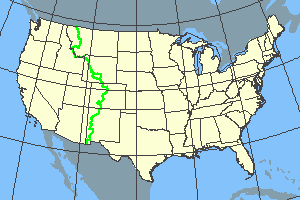
The CDT is a long-distance hiking trail that spans from the Mexican border to the Canadian border. It crosses through New Mexico, Colorado, Wyoming, Idaho, and Montana. People who hike this entire trail in one huge, multi-month backpacking trip are called “thru-hikers”. In my recent posts, I provided background info on the CDT and explained why I want to thru-hike the CDT. Now, I’m diving into what I’m doing to get ready.
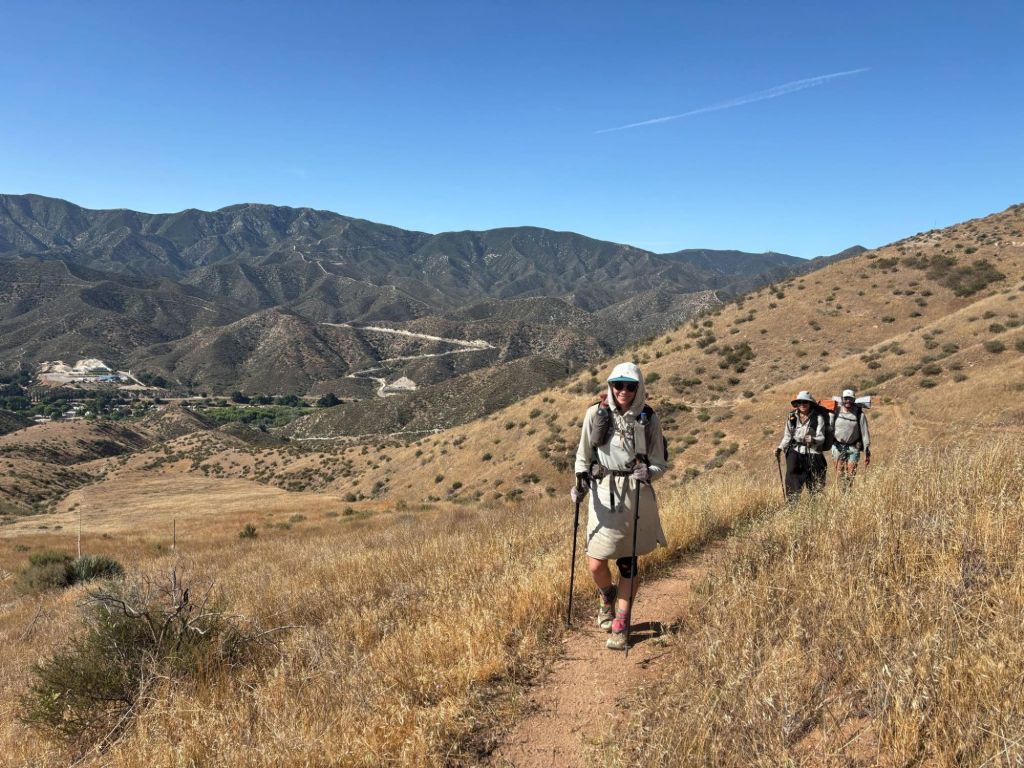
It’s challenging to train to walk all day, every day with a backpack without… You know… walking all day, every day with a backpack. So I’m doing the next best thing: focusing on two things that thru-hikers need: strength and cardiovascular fitness. My thru-hike preparation must fit into “normal” life, meaning it only takes up about an hour or so per day.
The training I did last year before my Pacific Crest Trail (PCT) thru-hike provides a template for my CDT training. There are a few things I’m doing differently this time. Overall, I’ve been a lot more laid back about my training this year. Last year, I was healing from a knee cap dislocation and needed to do lots of physical therapy to recover from the injury. This year, I’m just trying to not lose all my thru-hiking fitness over the winter.
Another key difference this winter is that I’ve started sitting in a dry sauna several times each week. I struggled in the heat on the PCT, and I hope the sauna will jump-start my heat adaptation.
Strength Training
Over the winter, I typically strength trained between 1 and 4 times each week. I aimed to include both lower-body and upper-body exercises. Most of my lower body strength routine was designed by my physical therapist, who helped me go from crutches to thru-hiking in 4 months last winter!
Here’s what I did for strength training:
- Strength trained a few times each week (e.g., lifting weights).
- Lots of emphasis on legs: glutes, hamstrings, quads, etc.
- Tried not to forget about my upper body entirely
- Did mostly single-sided versions of exercises, to not favor the stronger side
- Gradually increased the number of sessions each week, as my start date approaches
- Focused on consistency over doing things perfectly
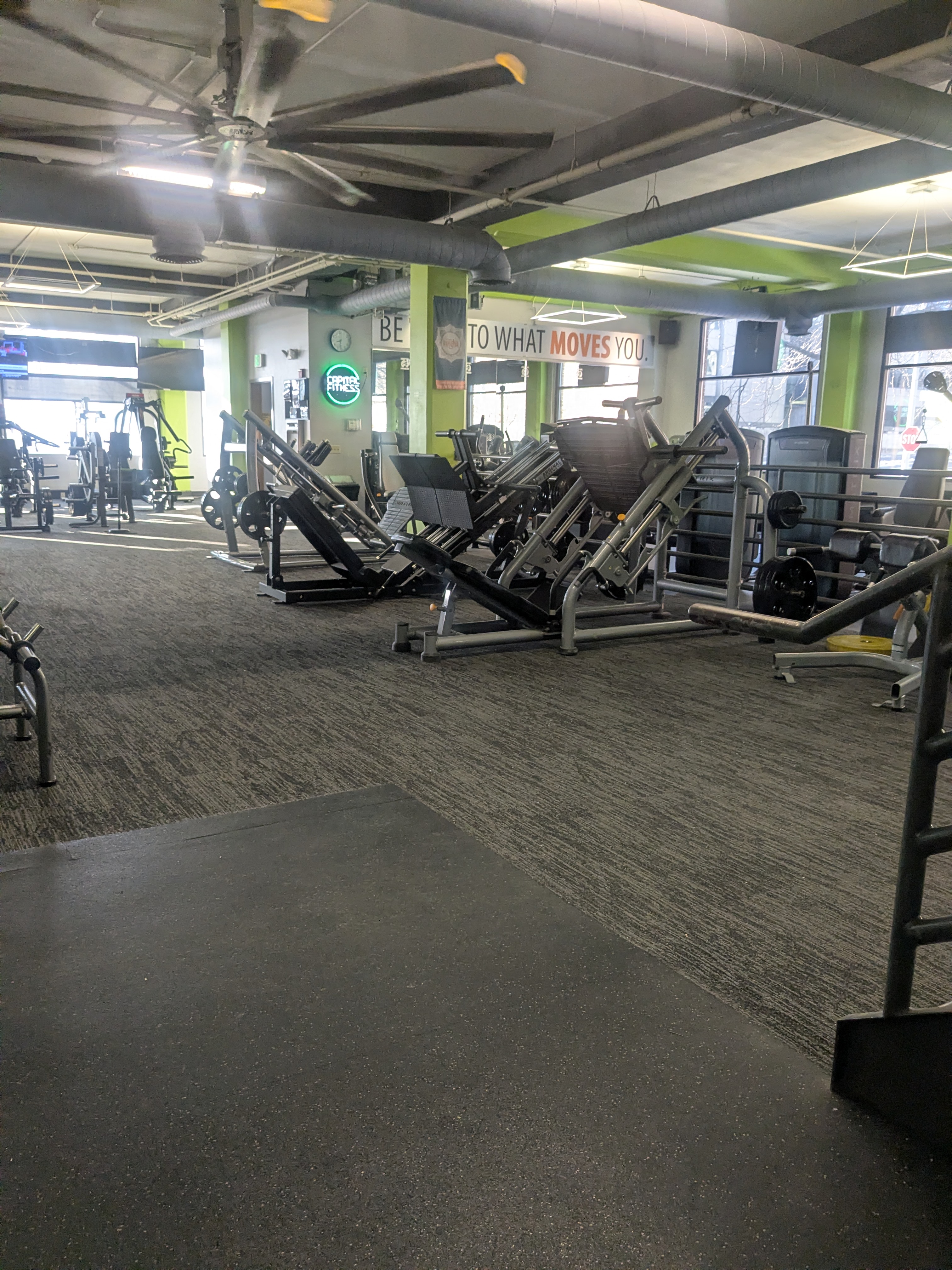
I spent a lot of time traveling this winter. That made staying consistent with strength training more challenging. Consequently, I had to get creative. I found myself working out in many different places over the winter. They included:
- My basement
- Hotel fitness rooms
- Gyms of friends/family members (e.g., guest passes)
- 4 different gym free trials in 3 different cities
I know from last year just how important strength training can be for a thru-hiker. I started the PCT feeling strong and didn’t get any overuse injuries. I credit my wonderful physical therapist and strength training for this. I hope my efforts this winter will help me on the CDT this spring and summer.
Cardio
When I started training for the PCT in the winter of 2024-2025, I couldn’t hike or run. I was recovering from a patella dislocation, which nearly upended my PCT plans. This made preparing for the trail difficult. However, I made do with stationary biking, walking, and physical therapy until my knee was healthy enough to ease back into hiking, running, and strength training.
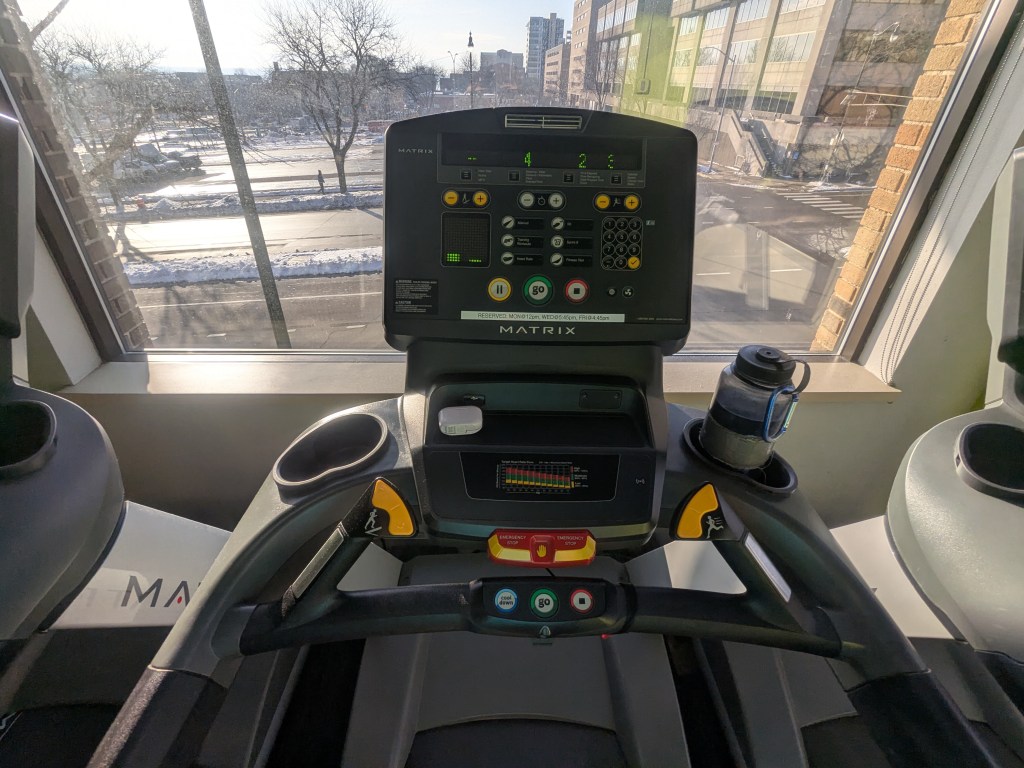
This winter, as a joyfully non-injured runner, my main cardiovascular exercise is running. I’m doing a mixture of trail running, road running, and treadmill running depending on the weather.
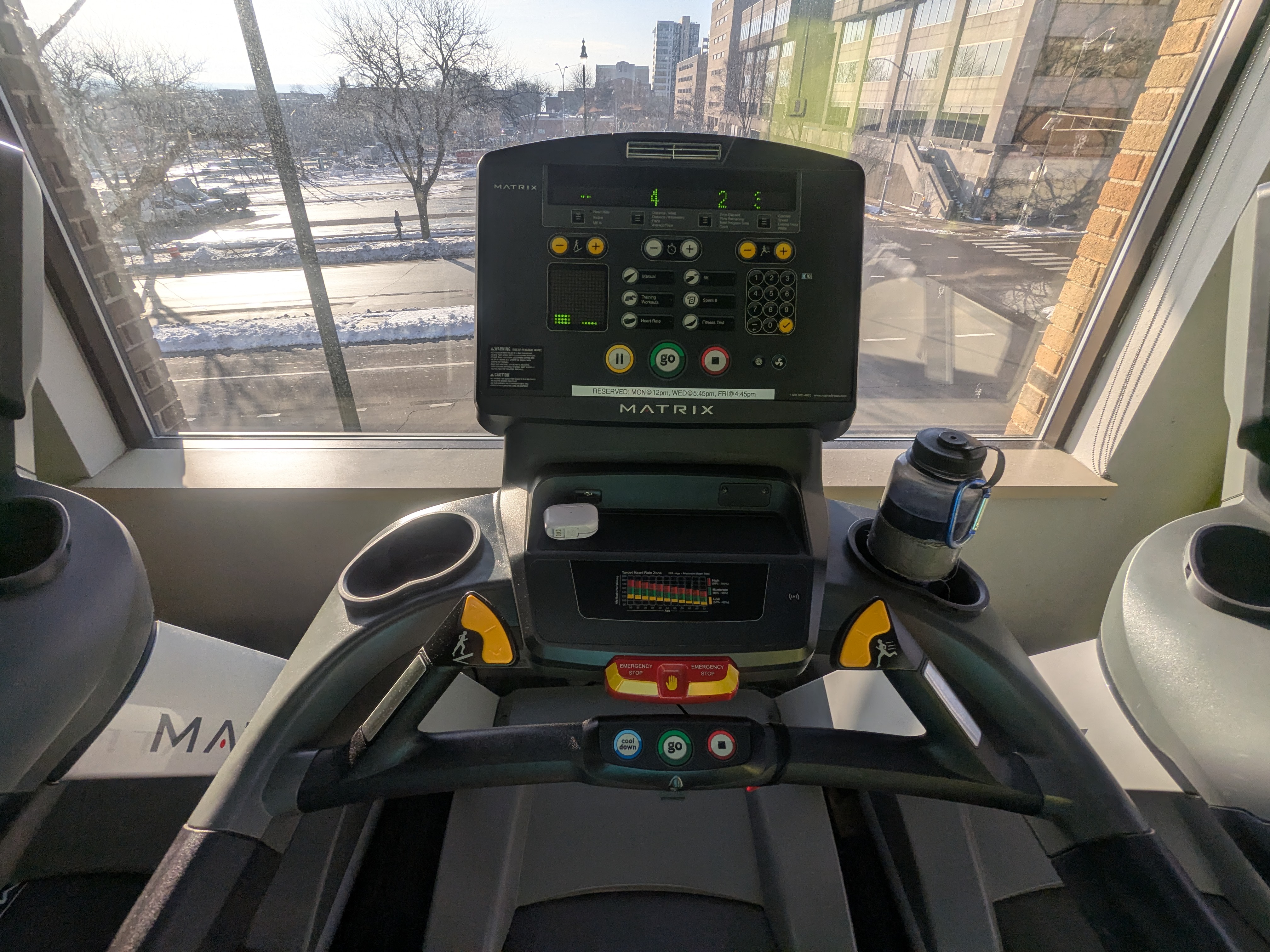
There was no training plan or schedule for my running this winter. But what I lacked in structure, I made up for with consistency. I ran almost every week (minus the week I was traveling in Hanoi!) at whatever pace and distance felt good. I ran anywhere between 2 and 6 days a week. My runs were typically between 1 and 15 miles long. Usually, I kept the intensity low and focused on just enjoying the run.
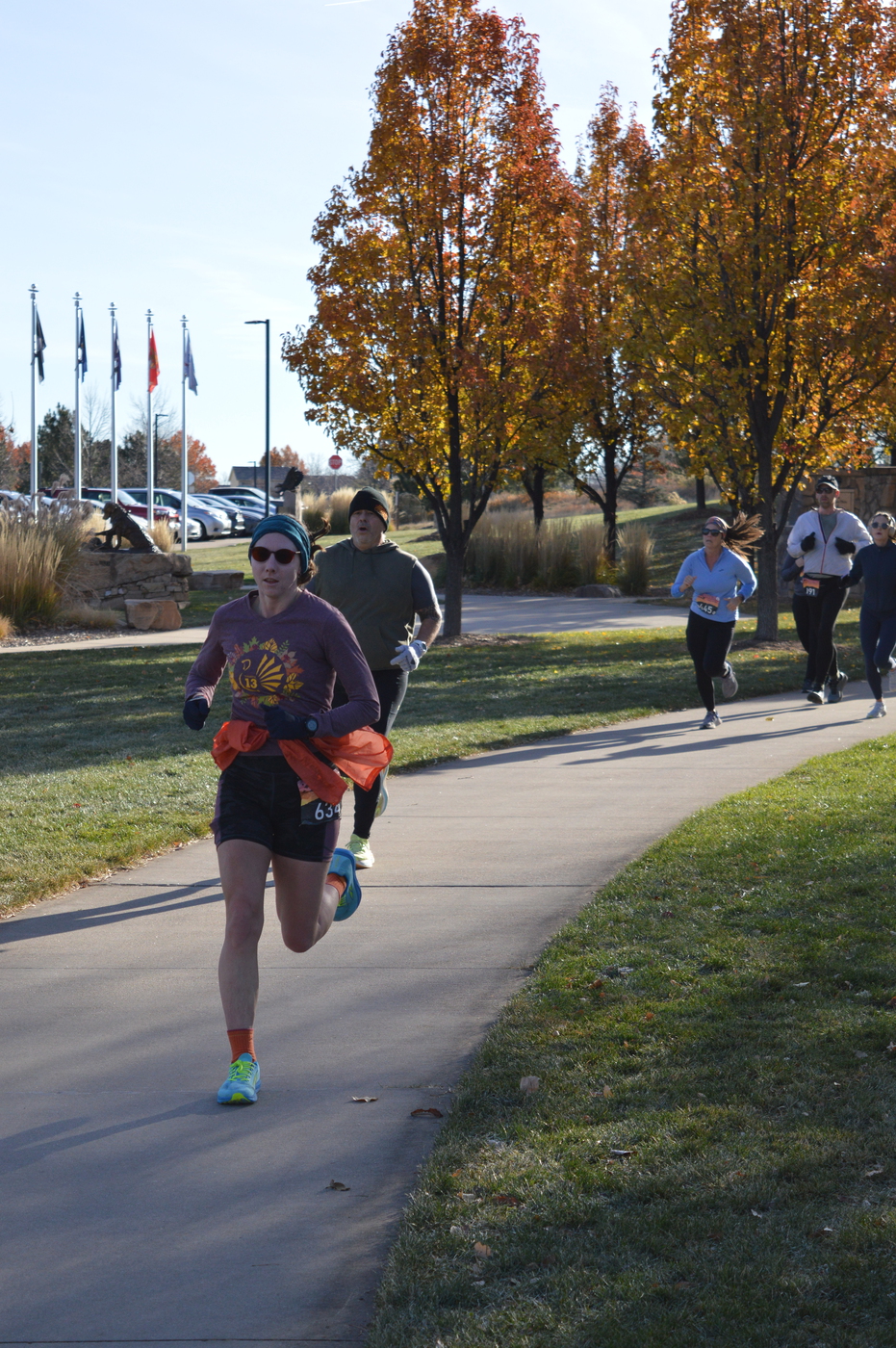
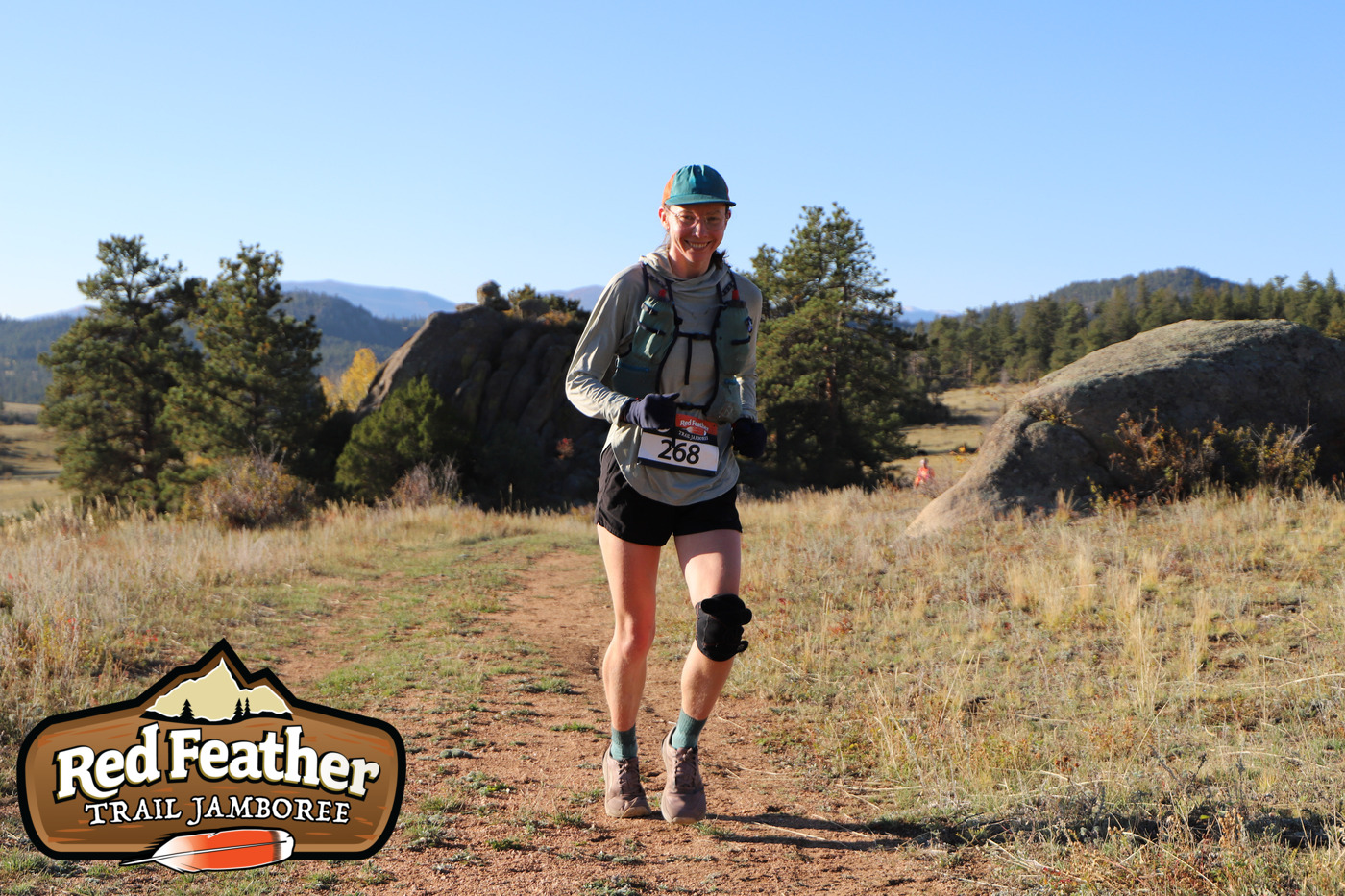
However, last fall, when I was fresh off the PCT, I couldn’t resist the urge to sign up for a few races. In September, just a few weeks after completing the PCT, I finished my first 50K trail race! In November, I ran my fastest 5K in recent memory. In December, I ran a snowy 16-mile trail race in the mountains of Colorado. It was fun to see what my legs can do after a thru-hike! It turns out that walking all day, every day, with a backpack helps build a great base for running. For me, these two sports go hand-in-hand. Each provides the foundation to train for the other.
Another thing I should mention is that as I get closer to my start date, I am de-emphasizing running. I won’t stop entirely, but I put less focus on it. At the same time, I’ve gradually upped the amount of time spent strength training. I love running, but in terms of thru-hike preparation, I feel that an extra session in the gym each week is more beneficial than a few extra miles running.
Heat Adaptation
Over the winter, I’ve added 15 to 20-minute sauna sessions several days each week. I’m hopeful this will jump-start my body’s adjustment to warm temperatures. After being uncomfortably hot on the PCT last year, I’ll try anything to boost my heat adaptation.
On the PCT, I experienced temperatures in the 80s and 90s in the desert and even in the 100s Northern California. I expect to see similarly high temperatures on parts of the CDT. Especially on the southern and low-elevation parts of the trail, such as the New Mexico Boot Heel and the Great Divide Basin in Wyoming.
 Adventures with Val
Leave a comment