“Are you nervous?”
“How are preparations going?“
“What are you doing to train?”
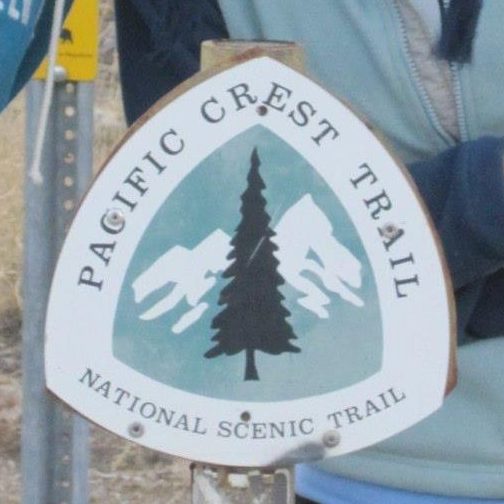
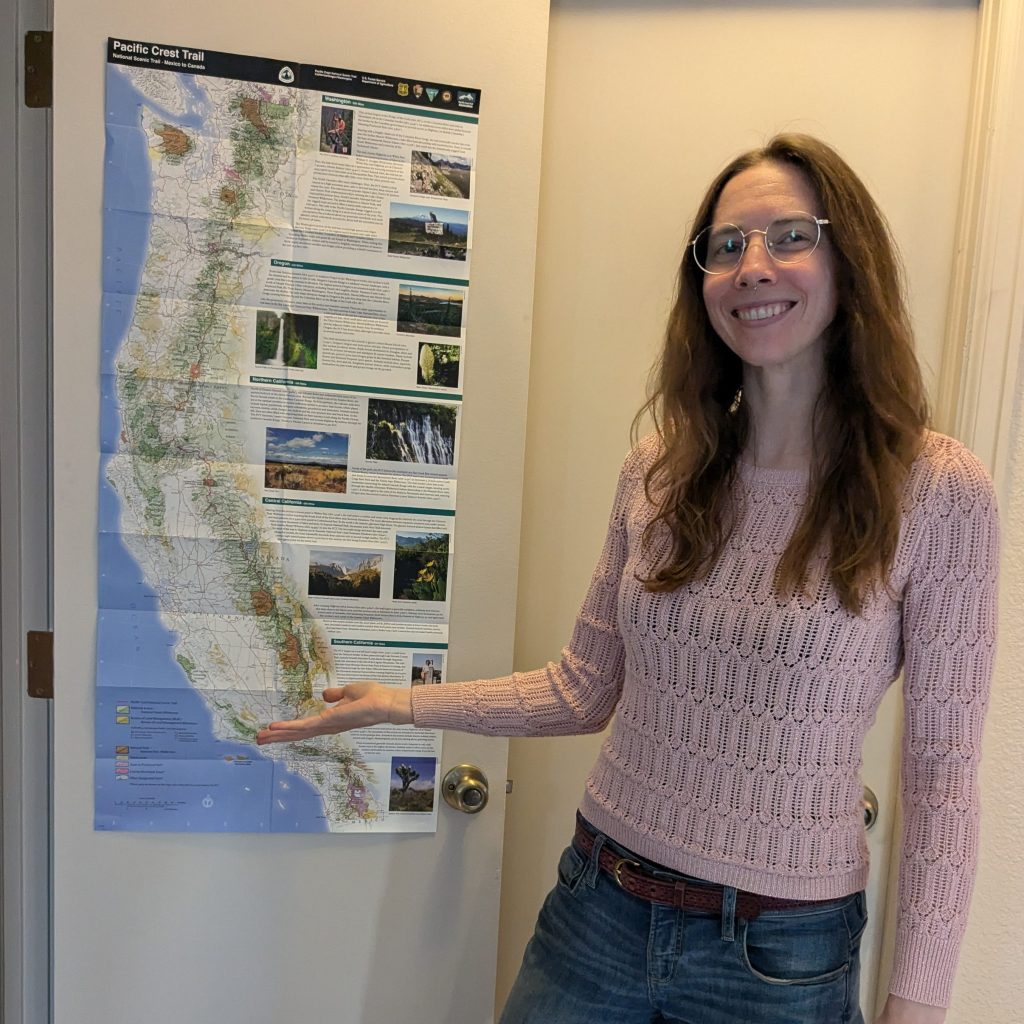
These are things I’m asked by friends and family as I prepare to thru-hike the Pacific Crest Trail (PCT), a 2650-mile backpacking route, starting this spring! (Read this post to learn about the Pacific Crest Trail and thru-hiking!)
If you’re wondering what the lead-up to the adventure of a lifetime is like, then read on! The months before a thru-hike are a unique and exciting time. They can leave an aspiring thru-hiker feeling an odd mixture of giddy, nervous, inspired, obsessive, overwhelmed, sentimental, and more. In this post, I’m sharing 10 realities of preparing for a thru-hike.
1. Obsessively tracking the snow data.
Snow conditions in the High Sierra are a major consideration for PCT thru-hikers. Reach the mountains too early in spring, and the trail could still be covered in snow – especially in a high snow year. Now, I know that the snow conditions today won’t tell me much about the snow conditions months from now. Even so, I’ve indulged myself in reading snow reports. At the very least, my weekly ritual of checking PostHoler.com (external link) has become a strange but harmless outlet for my bottled-up pre-trail excitement.
2. The permit web page is always open in my browser.
PostHoler.com isn’t the only web page I’ve obsessively monitored recently. I also check the Pacific Crest Trail Association (PCTA) permit availability page (external link).
Here’s why: before the start of each hiking season, the PCTA issues a limited number of permits for long-distance hikes on the Pacific Crest Trail – 50 for trips starting on each day in March, April, and May. All the permits get grabbed up quickly after they become available in October and January. But throughout the winter, permits occasionally open up as some people cancel their trips.
These cancellations offer aspiring thru-hikers the chance to grab a last-minute permit if they didn’t get one in the October or January releases. It also provides an opportunity for folks who already have a permit to change to a different start date, if they don’t like the one they got. While I’m not sure if I want to change my start date, I can’t help but “window shop” for other start date options.

3. A dehydrator is running nonstop on my kitchen counter
I didn’t bother with mailing myself many resupply packages on my previous thru-hikes (of the Colorado Trail and Appalachian Trail). Instead, I opted to mostly grocery shop along the way in towns near the trail.
However, for the PCT, I’m preparing several mail drops for a few reasons. First, there are a few resupply stops that don’t have any/good grocery store options – places like mountain lodges and ski resorts. Second, I’m hoping to actually eat some vegetables on this thru-hike. Finally, I’m planning to do less cooking on this thru-hike – so I’m making dehydrated pasta salads and other dishes that are meant to be “cold soaked” and eaten cold.

4. So. Many. Spreadsheets.
There’s a lot to keep track of in the lead-up to a thru-hike: shopping lists, packing lists, approximate locations and dates, resupply box info, safety/emergency info for my loved ones… the list goes on. I enjoy being organized and making trip itineraries, but am trying not to go too crazy with it. One thing I learned from my past thru-hikes is that pre-made itineraries usually are forgotten the instant you set foot on trail.
5. Worries about wildfires.
It’s a dry winter in Southern California. Which means Southern California is already seeing awful wildfires this year, including the Palisades and Eaton Fires near Los Angeles. While these two fires are not on the PCT, other fires and burn areas are already impacting the route. The PCTA keeps hikers updated on which parts of the trail are closed due to wildfires and other reasons (external link).
Thru-hikers must find a way around trail closures – or risk their safety and a big fine. This could mean walking around closures on other trails or dirt roads, hitch hiking, or coordinating a shuttle with a trail angel – a person who lives near the trail and helps out thru-hikers.
I’m trying not to worry too much about the closures right now, as the situation may change by the time I’m on trail. Many, many thru-hikers will be on the trail before me and figure out the best ways to get around wildfire closures first. I’m sure I’ll be able to figure it out too when the time comes.
6. No skipping strength training.
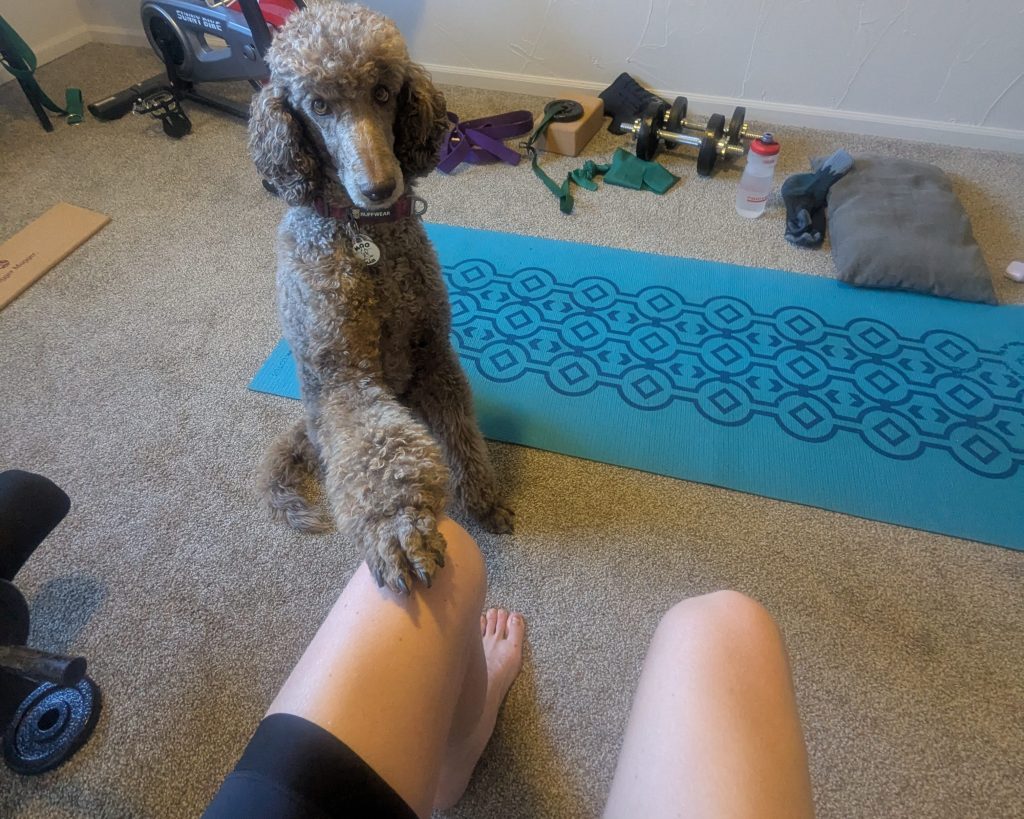
After dislocating my patella last December, I’m acutely aware of the impact a similar injury could have on my thru-hike. While strength training can’t prevent all injuries, I know it can help reduce my risk of a thru-hike-ending dislocation months from now. To prepare for months of backpacking, I’m also doing cross-training like stationary biking, hiking, and jogging to stay in good cardiovascular shape.
7. Just wanting to start already!
It’s late winter. There temps are chilly and the local trails keep closing for muddy conditions. That alone is enough to give any avid hiker some serious cabin fever! But with the adventure of a lifetime on the horizon, the itch to hit the trails is at an all-time high! It’s a challenge to live in the moment. Part of me wishes I could magically fast-forward through the remaining weeks until my start date!
8. Pre-hike jitters.
99% of the time I just feel excited when I think about spending months outside, walking from Mexico to Canada. But every once in a while, I come down with some pre-trail jitters.
Lying in bed the other night, I thought about how accustomed I’ve become to my plush king-sized mattress and multiple fluffy pillows. All of a sudden, I found myself worrying that maybe I’m not as tough as I was at age 21, the last time I thru-hiked anything.
I try to remind myself that endurance comes in multiple forms. 21-year-old me couldn’t have run a marathon, managed her own business, or been a dedicated partner in a loving relationship. These are all things that I do today – and while they don’t involve sleeping on the ground, they do involve the same dedication, passion, and sense of purpose that helped me complete my past thru-hikes.

9. Trying to live in the moment.
With the snow reports and the dehydrating and the spreadsheets upon spreadsheets, you might think that preparing for my thru-hike consumes a lot of time. This couldn’t be further from the truth! Sometimes I wish there were more preparations to do – to give me an outlet for my trail obsession and excitement!
Instead, I’m trying to live in the here and now. While I do think about the trail at some point every day, I know that once I’m on trail I’ll be able to figure things out as I go. Instead of stressing, I’m trying to focus on and enjoy the parts of my life I know I’ll miss while on the trail – my dog, partner, friends, house, local trails, favorite restaurants, etc…
10. Excitement!
Most of all, I’m excited about my upcoming thru-hike. I can’t want to be out on the trail. I’m ready to experience parts of this country that I haven’t seen before and the wonderful trail community.
Join the Conversation: What questions do you have about planning and preparing for a thru-hike? If you’ve thru-hiked a trail, do you wish you’d done more or less preparations?
 Adventures with Val
Leave a comment