Happy New Year! After a short break from posting over the holidays to relax and travel, I’m back. Perhaps you used some of your downtime over the holidays to start dreaming up some exciting backpacking adventures for summer. I know I have! Though summer still feels like ages away, there is something we can all do now to get ready. I’m talking about cross-training for backpacking! When the snow gets deep and the weather gets cold, there are still plenty of other activities we can do to stay in hiking shape. In this post, I’m sharing five ways to cross-train for backpacking in wintertime!
Disclaimer: I am not a fitness professional, just an avid hiker sharing some of the ways I’ve cross-trained for backpacking during the winter. What worked for me might not work for someone else. Consult your doctor before beginning any new exercise routine.
1. Snowshoeing
- Pros: getting outside
- Cons: it can be challenging to find places to do it
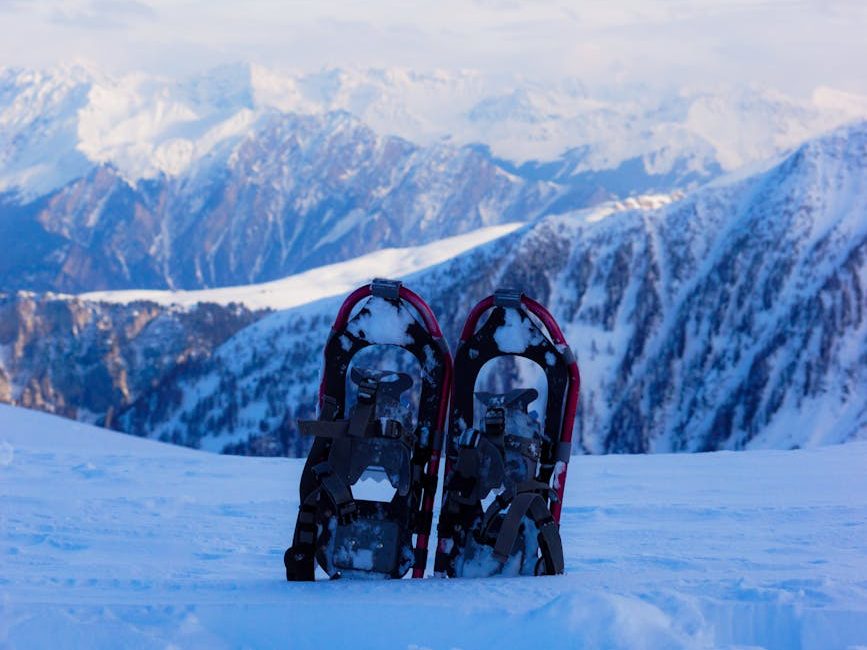
Snowshoeing is great cross-training for backpacking because it’s hiking (just on snow!). Snowshoeing requires the following gear:
- Snowshoes (duh)
- Trekking poles
- Snow baskets for trekking poles
- Warm, weather-resistant layers
- A backpack with snacks, water, and extra layers
- Sunglasses
- Sunscreen
- Maps and other navigation tools
Fortunately, most backpackers probably already have most of this gear (minus the snowshoes and maybe the trekking poles with baskets). However, many outfitters rent snowshoes, especially shops that also rent skis.
It’s probably smart to try out snowshoeing with rentals at least once before purchasing snowshoes. Good snowshoes are expensive, and not everyone will enjoy snowshoeing.
I bought snowshoes before I ever went snowshoeing. Although I enjoyed doing it, I quickly realized that there are not many good places to snowshoe near where I live. The trails in my area are usually a mixture of snow, ice, and bare ground in winter. To snowshoe, one needs a consistently snow-covered trail – otherwise, you’ll end up stopping all the time to take the snowshoes off.
2. Strength Training
- Pros: can be done while watching TV and inexpensive
- Cons: can be intimidating for beginners
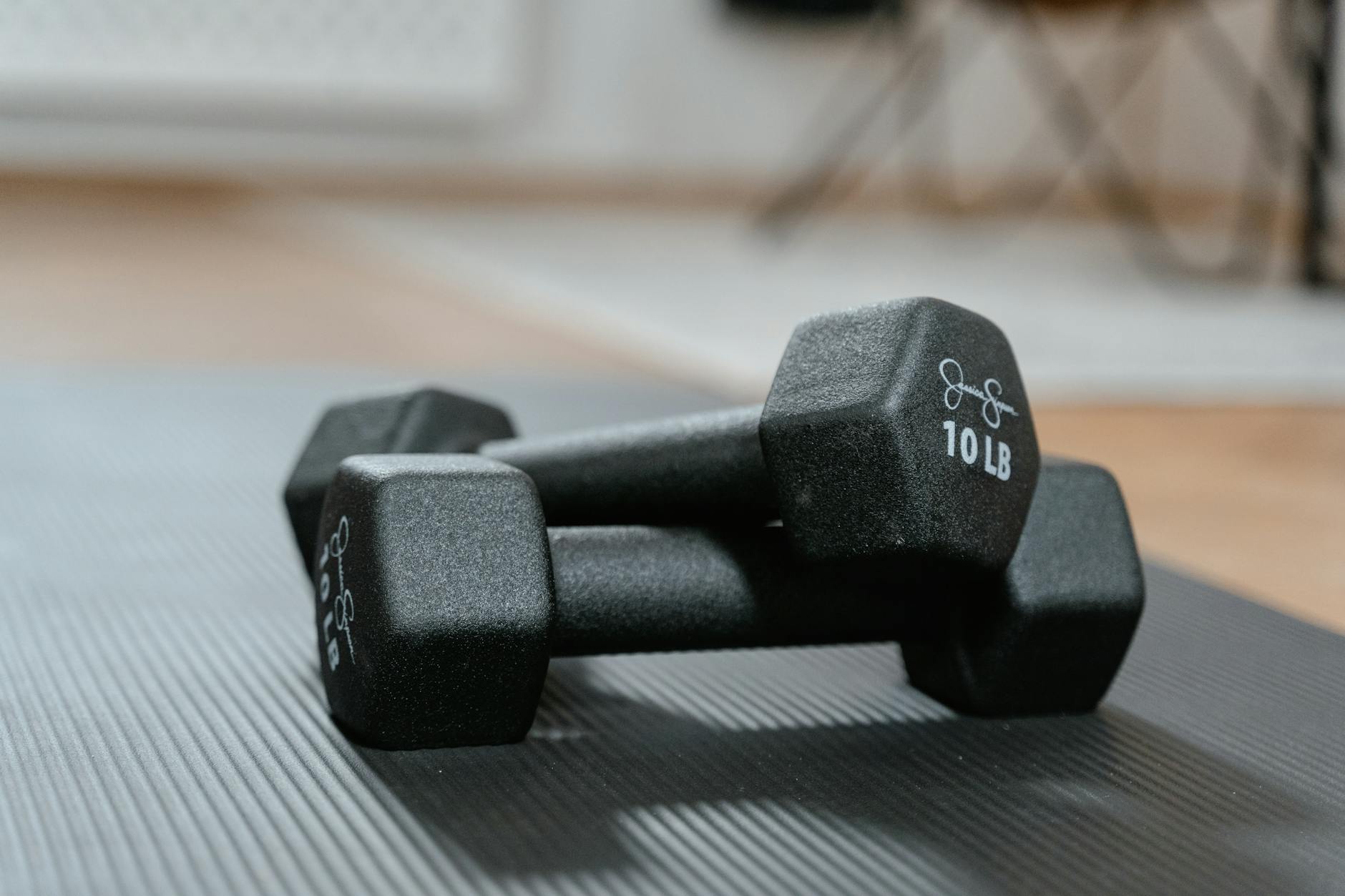
There are so many different ways to strength train. If you enjoy going to the gym to lift weights that’s fantastic! However, it’s also possible to strength train at home with no/minimal equipment.
These are some of my favorite body-weight moves for working out at home:
- Single-leg squat
- Walking lunges
- Single-leg calf raise
- Single-leg pogo hop
- Squat jump or forward jump
- Clamshell
- Bridge
- Wall sit
- Plank
- Side plank
- Push up
- Pull up
I like to pick 4-6 moves and do two or three sets with rests in between. This usually takes between 15 and 45 minutes.
I can relate to anyone who struggles to stick to a strength training routine! When I lack motivation, one thing that works for me is tacking strength onto the end of a different, more fun workout like hiking or running. For example, instead of going for a 45-minute run, I’ll go for a 30-minute run and then do 15 minutes of strength training.
3. Skiing
- Pros: very fun
- Cons: very expensive
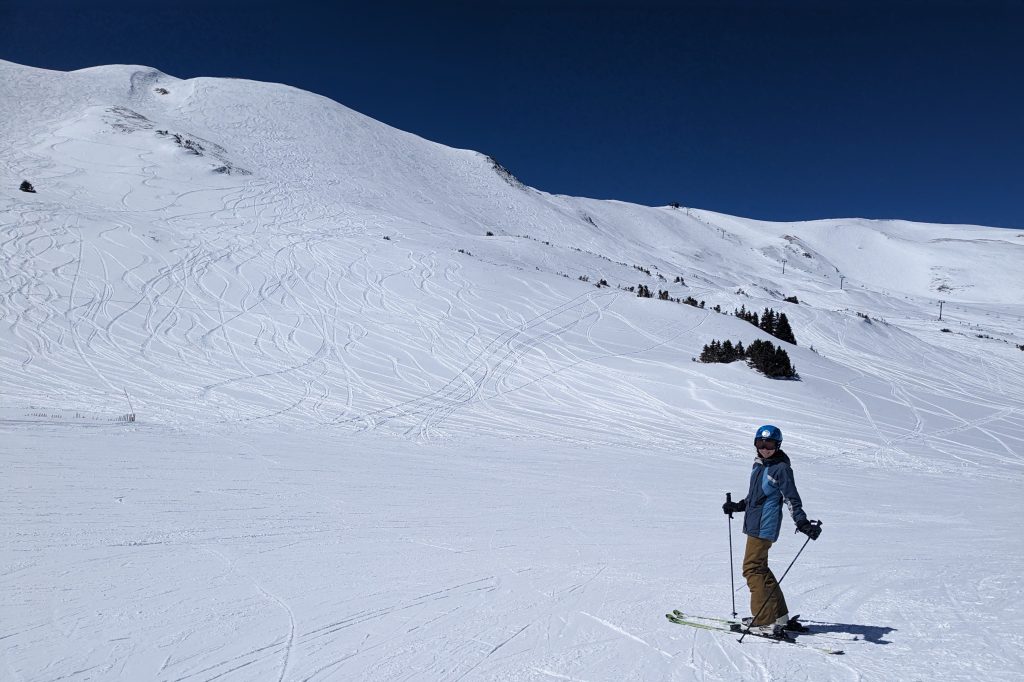
I used to dread wintertime. It meant colder weather, less sunlight, and icy trails. Everything changed when I learned how to ski. Though winter still isn’t my favorite season, skiing is a great constellation prize and something I find myself looking forward to in fall.
I learned how to ski as an adult. And honestly, it was quite challenging for me to learn. I’ve never been an adrenaline junkie and gravitate towards slower sports like hiking, running, and yoga. At first, I felt out of control while sliding down the hill. However, once I got over my initial fears, skiing became so fun for me, though I am still a beginner!
There are a few types of skiing, including:
- Cross country skiing
- Downhill skiing
- Backcountry skiing
- Telemark skiing
Different types suit different people based on their locations, budgets, risk tolerance, and personal preferences. Cross country skiing is great for cardiovascular exercise and working up a sweat, similar to hiking or running. My personal preference is downhill skiing – which always leaves my legs sore the next day. Downhill skiing motivates me to stick with my strength training routine through the fall and winter – I need to keep my legs strong to feel my best on the slopes. This really benefits me in the spring and summer when I return to hiking and running more.
4. Trail Running
- Pros: it’s a great way to get outside on a regular basis
- Cons: hard work, especially for beginners
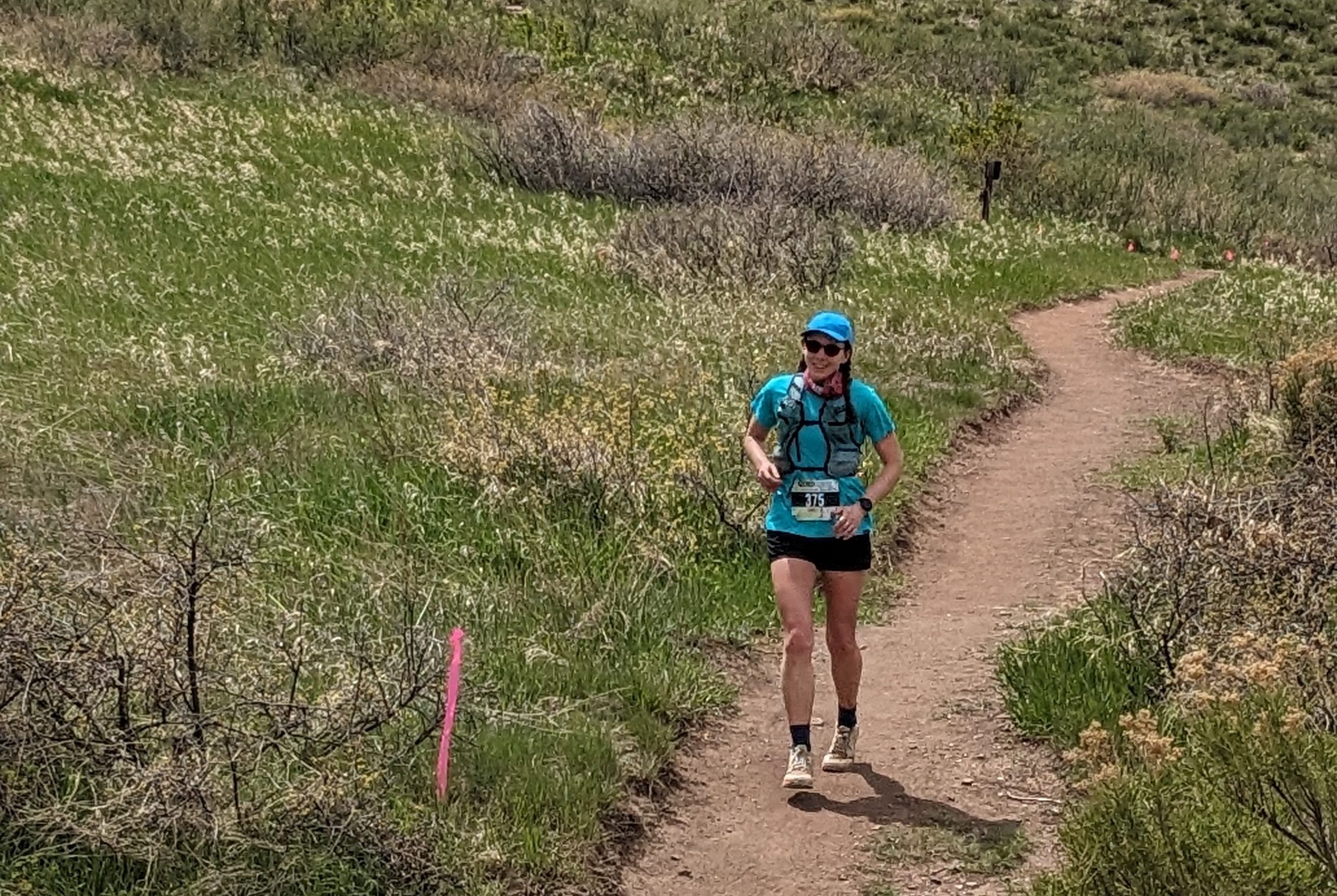
Even if you despise running, hear me out on this! There’s a secret that no one told me before I started trail running – I can walk as much as I want to. If I prefer to hike the ups and run the downhills, no one is stopping me!
I love a good winter hike, but I prefer trail running for day-to-day exercise because it’s more time-efficient. I can cover more miles in less time, which is ideal for busy weeknights. Plus, I can reach prettier and more remote places on a 1-hour trail run than on a 1-hour hike.
I admit winter running can be a drag, especially if there’s snow or ice. The right clothing and gear help make things easier and more enjoyable:
- Wicking base layers
- A wind/rain shell
- Fleece insulating layer (for very cold days)
- Gloves and a headband or hat
- A headlamp
- Microspikes for traction on packed snow and ice
- An extra layer, in case of an emergency
- Plenty of water and snacks for long runs
- Maps and other navigation tools
Another thing that helped me enjoy winter running is going with a group. Winter trail runs often happen in the early morning or after work for me – either way, I’m in the dark for most of the run. For some reason, running in the dark is much more enjoyable with friends. If you’re looking to get into trail running, I recommend looking for a local beginner-friendly trail running group (e.g., Trail Sisters).
Last winter, I signed up for a trail race in May. Having a goal helped me stick to my running routine over the winter. I felt all my hard work once the snow melted in the mountains and I headed out on summer backpacking trips. Staying in shape through running helped me hike further and faster: later that summer I backpacked the Collegiate Loop and hiked my first-ever 35-mile day!
5. Walking
- Pros: it’s free!
- Cons: less practical if you live somewhere with lots of traffic and without sidewalks or paths
In my opinion, the best exercise routine is the one you enjoy and can stick to. Even if that’s just a daily walk. When walking starts to feel too boring or too easy, here are a few ways to spice things up:
- Invite a friend or a pet
- Listen to an audiobook
- Walk to a destination like a coffee shop or library
- Bring binoculars and take up bird-watching
- Bring a camera and take up wildlife or urban photography
- Pick up the pace
- Experiment with walking breathwork
- Wear a weighted backpack or vest for an additional challenge
I go through phases when exercising stops being fun, especially in winter when it’s cold and dark. I’m lucky that I have a dog who keeps me honest and forcefully insists that we go for her daily walk. Seeing my dog’s face light up when I put on my walking shoes is just the motivation I need to get out the door. (My dog also backpacks with me – read more about how to go backpacking with your dog!) Whether canine or human, a workout buddy is helpful to stay consistent with any exercise routine.

Join the Conversation: what’s your favorite way to cross-train for backpacking? Let me know in the comments section below.
 Adventures with Val
Leave a comment