
When it comes to thru-hiking, sometimes you must learn by doing. This was certainly the case for me. I thru-hiked the Appalachian Trail solo during my gap year before college. Though I was already a fairly experienced backpacker for my age, I still had much to learn about thru-hiking.
On the Appalachian Trail found out what worked for me and what didn’t when it comes to mail drops, zeros, visitors, and more. Two years after the Appalachian Trail, I solo thru-hiked the Colorado Trail. On my second thru-hike, I did many things differently based on what I learned on the Appalachian Trail.
In this post, I’ll share seven things I did differently on my second thru-hike. There is not one right way to thru-hike. What ended up working for me might not work for you. Nevertheless, I hope these insights are thought-provoking and helpful to anyone in the process of planning their first thru-hike!
Sharing is caring:
I did less planning.
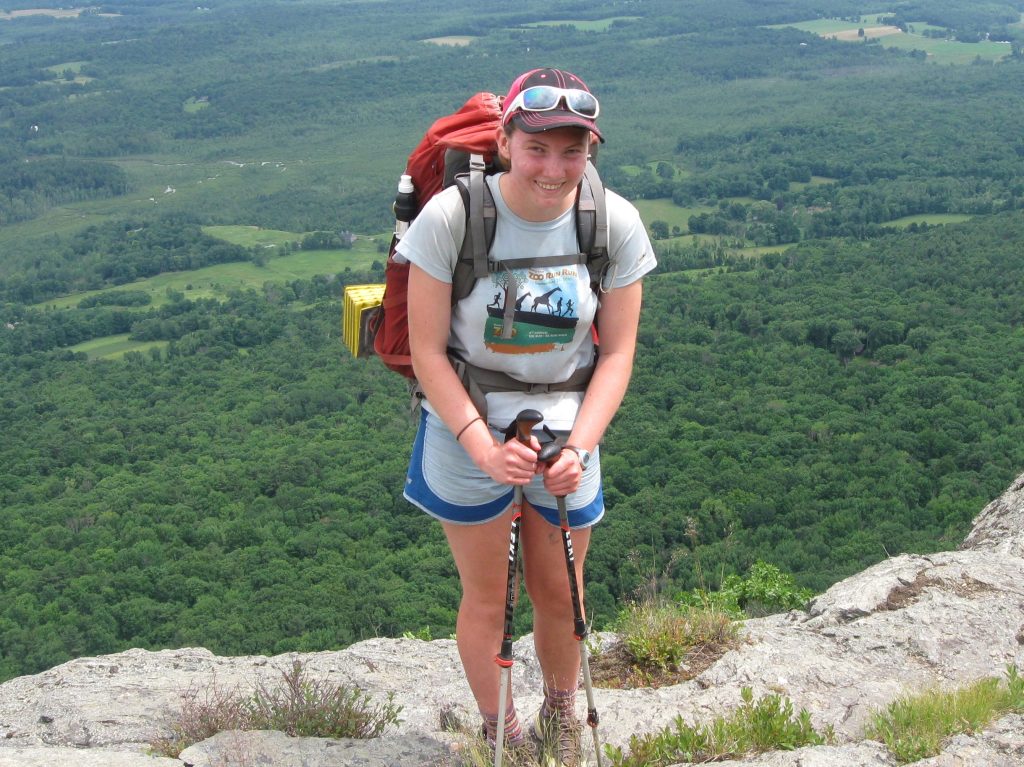
Before the Appalachian Trail (AT), I spent countless hours carefully making detailed itineraries and spreadsheets for my hike. I’m not just talking about picking which trail towns to resupply in. I went as far as planning every shelter and campsite I thought I’d stay at each night. As soon as I was on the trail, all those plans went straight out the window. It’s impossible to plan every second of a 5-month hike. There are too many variables, like weather, terrain, and variations in your mood and energy level.
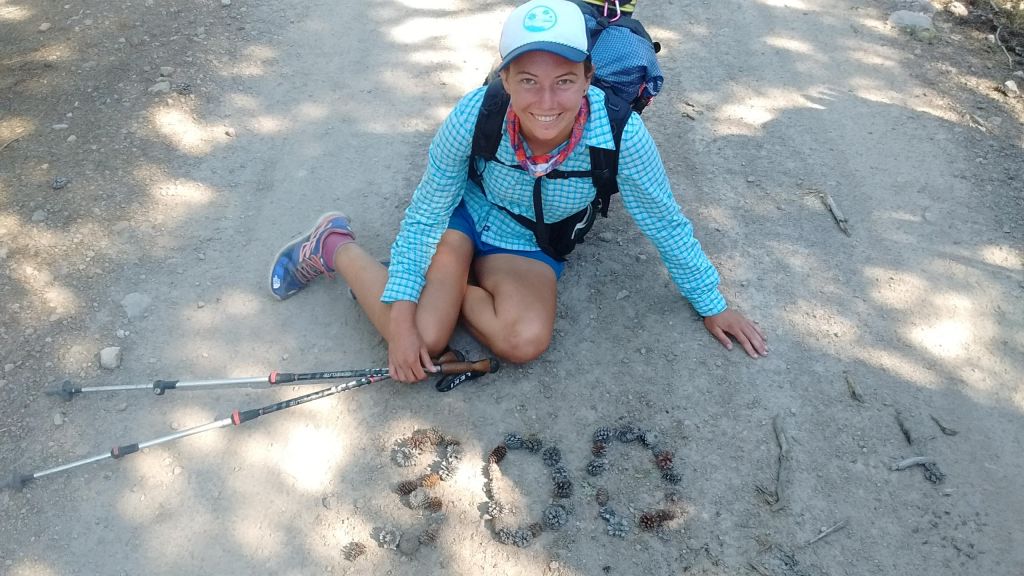
Conversely, I did almost no planning before I started the Colorado Trail (CT). I replaced a few pieces of gear, purchased the CT databook, and trusted myself to figure things out as I went. Everything worked out just fine.
I did not send mail drops.
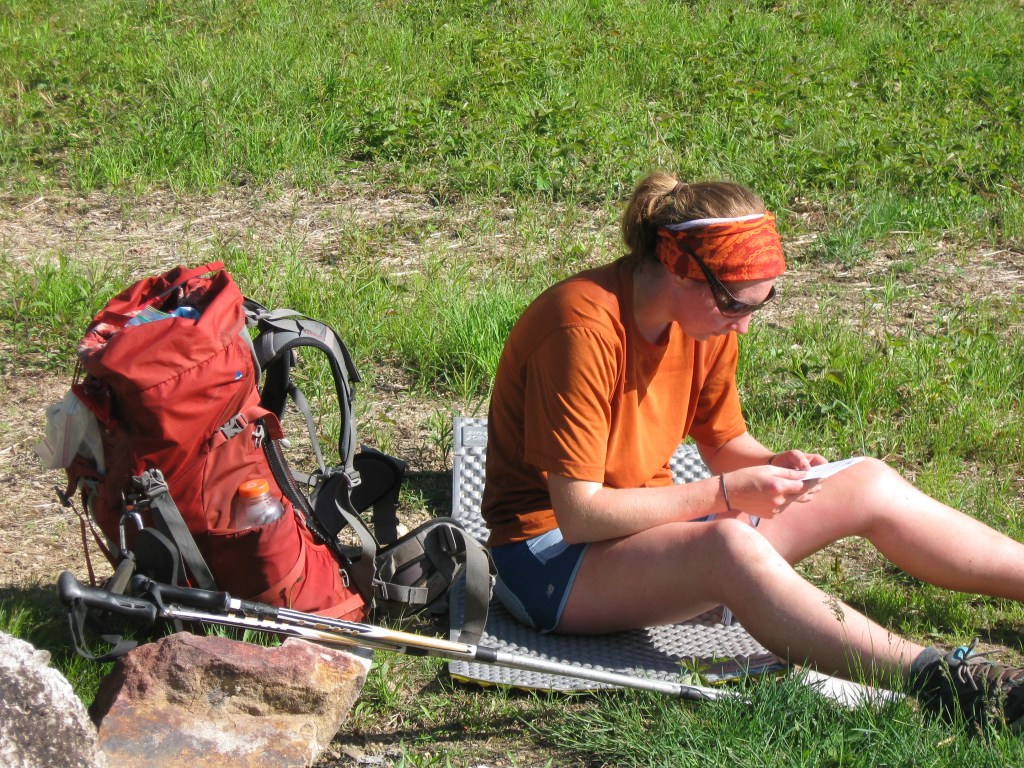
I only did a few mail drops (resupply packages) on the Appalachian Trail. But on the Colorado Trail, I did no mail drops at all. This was for several reasons:
- I knew my tastes might change while on trail.
- Shipping is expensive.
- I dislike the pressure of needing to arrive at a post office or business at a certain time or day.
- I didn’t want the hassle of coordinating shipping dates and estimated arrivals.
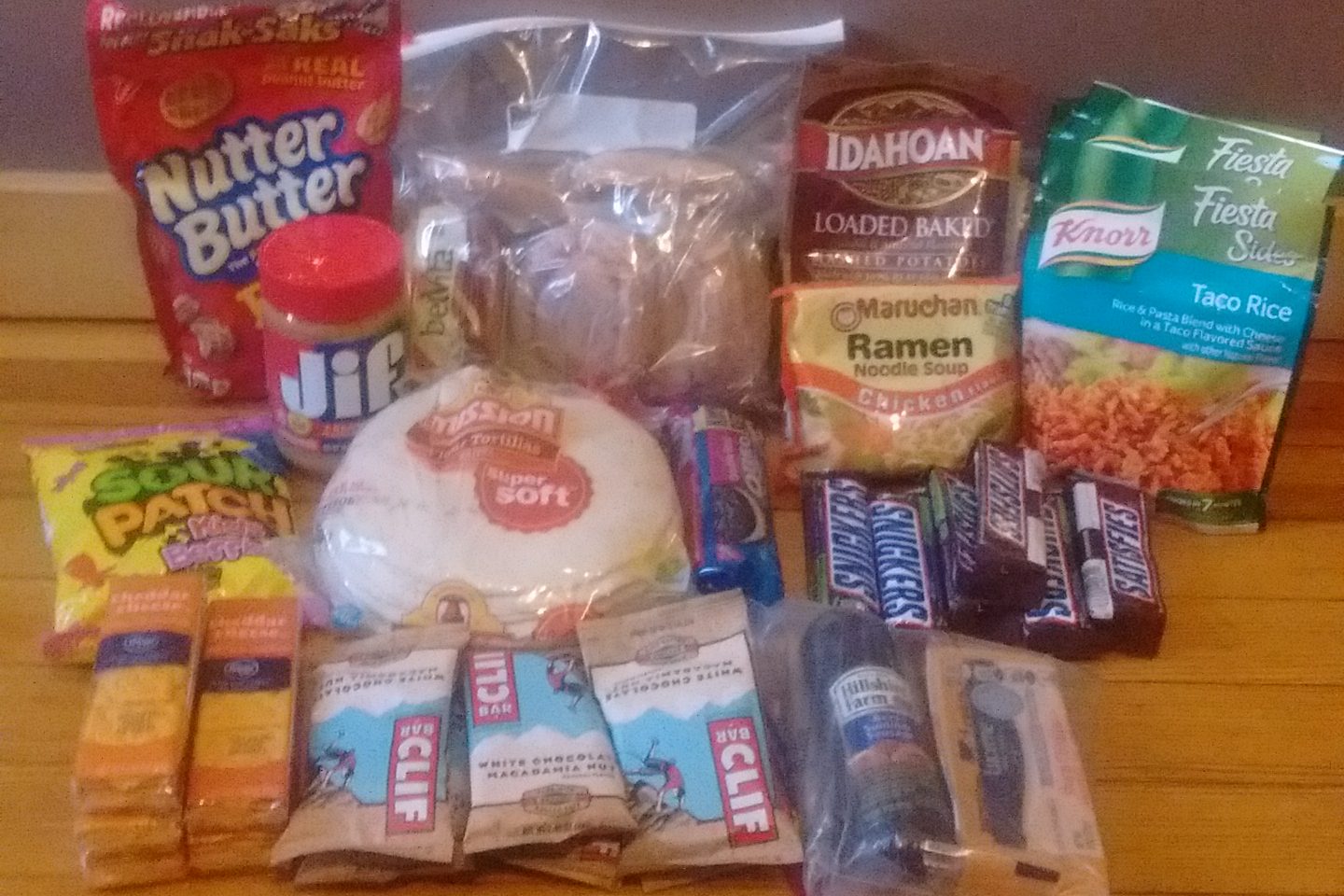
Ultimately, I loved my choice not to ship resupply packages. It gave me total flexibility during my hike. I never had trouble finding what I needed in trail towns. Additionally, I saved money because I was offered a lot of free food along the way. Other thru-hikers were dumping their mail drops into the hiker box after tiring of the foods they selected in advance. (Note: a hiker box is a container or area at a hiker-friendly business where hikers can leave items for other hikers). I was always ready to take what others no longer wanted! That’s how I got my trail name – “Boxtroll”.
I limited visitors and meet-ups.
On the Appalachian Trail, I met up with friends and family along the trail many times. However, I discovered having visitors on the trail is a double-edged sword. It can be a big morale boost and your loved ones will appreciate being included in your adventure. Nonetheless, the logistics of meeting someone at a road crossing are challenging. Especially if you’re in a remote place with limited cell service. Furthermore, stopping to spend time with your visitors mid thru-hike will cause you to get out of sync with your trail friends. Consequently, having visitors may leave you feeling more rather than less lonely in the long run.
There are a different set of challenges if your visitor plans to hike with you. Your non-thru-hiker friend may not be conditioned to walk as far or fast as you. Even an athletic person may struggle to keep up with you. For example, my Dad, who runs half marathons, came to hike with me in Maine on the AT. He was amazed by the mileage and pace thru-hikers maintain on steep, challenging terrain.
After reflecting on many aspects of my AT experience, I set my intention for my CT hike: I wanted to stay flexible, be spontaneous, and hike my own hike. Because of this, I did not invite friends or family to visit me on the Colorado Trail. I did only one meet-up on the CT, with a friend whose family had a condo in a trail town. Other than that, I invited friends and family to meet me after the end of my trip.

I took more zeros.
On the Appalachian Trail, I rarely took zeros (days off). I did not take my first zero until 33 days into my thru-hike. And I did not take a second zero until day 66! However, I took tons of short days and neros (near zeros) on the AT. You can read more about this in my recent post on zeros and neros on the Appalachian Trail.
On the Colorado Trail, I took a different approach to time off. I zeroed or neroed and zeroed in almost every trail town I stopped in. I moved to Colorado two years prior, and thought of my thru-hike as a tour of my new home state. I loved walking around in unique mountain towns in remote parts of the state. My frequent zeros also helped me feel more rested. On the days I did hike, I walked all day long and felt great doing it!

I hiked more after dinner.
My daily rituals on the AT and CT differed in many ways. One big difference came around dinnertime. On the Appalachian Trail, I typically did not make dinner until I finished hiking for the day. Even if I was getting hungry, I did not stop to eat dinner until I reached the campsite or shelter. Because of this, I ate some pretty late dinners on my longer-mileage days. I felt pretty depleted during the last few miles of hiking some days.
I took a different approach to the Colorado Trail. Whenever I got hungry, even if it was 4 pm, I stopped and made dinner. This always gave me a nice burst of energy. I often used that energy to hike a few more miles after dinner. This arrangement also gave me more flexibility to dry camp wherever. I often made dinner at a water source, filled my bottles, and then hiked until I got tired or found a pretty place to camp.
Another thing I did differently on my second thru-hike was cook in the middle of the day. While I didn’t do this every day, I sometimes ate my dinner for lunch and my lunch for dinner. I’ve always enjoyed taking long lunch breaks. It sometimes made sense to cook for my mid-day meal while taking a long break.

I was less of a purist.
To me, thru-hiking the AT meant covering every single inch of that trail on foot and seeing every single white blaze. Besides reroutes around one or two short trail closures, I succeeded.
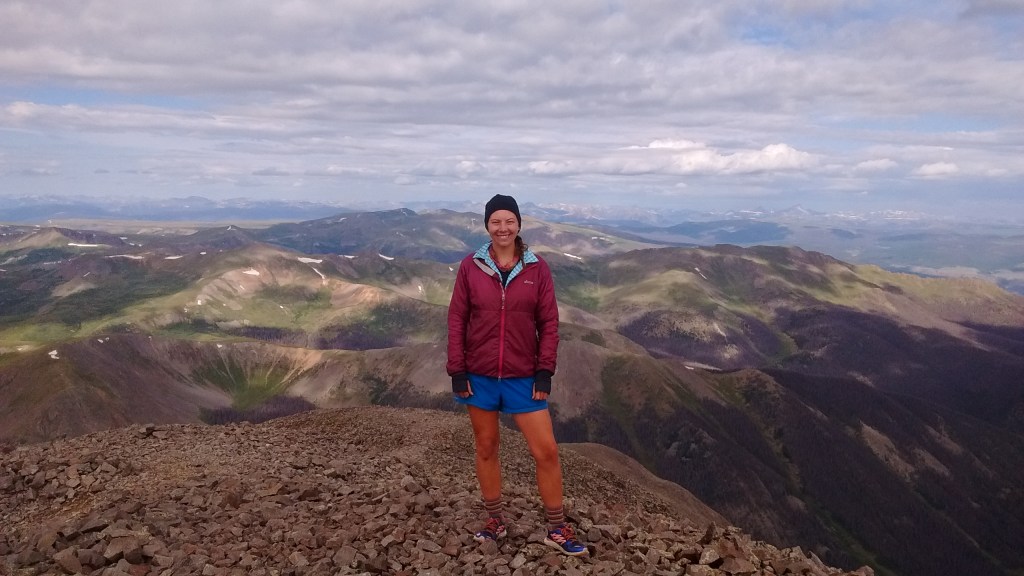
I was less of a purist on the Colorado Trail. This does not mean I hiked less each day. In fact, I may have even hiked more. I took some side trips up mountain peaks and occasionally scrambled along a cool ridge or side trail instead of following the trail. I missed several miles of the actual CT, but I don’t think this detracted from my experience overall.
However, I was a purist on the CT in one somewhat unusual way. Since both the Collegiate East and Collegiate West are part of the official CT route, I decided to hike both. (Note: almost all CT thru-hikers pick one or the other, since to do both you must backtrack significantly.) On my way from Denver to Durango, I opted for the Collegiate West. After I reached Durango, I got a ride back to Twin Lakes where I finished out my thru-hike on the Collegiate East. I loved doing the trail this way and experiencing every section of the Colorado Trail!
I made changes to my gear.
I made several changes to my gear between my first and second thru-hikes. On the Appalachian Trail, I quickly learned which items in my pack were unnecessary or didn’t work for me. For the Colorado Trail, I made a few gear changes to lighten my pack, such as ditching the body of my tent and instead using the rain fly, poles, and footprint only.
On the other hand, I added a few heavier items for more comfort, such as my fleece pajama pants. I also changed some gear to make my setup compatible with the drier, sunnier conditions on the Colorado Trail. In the table below, you’ll see some of my key gear changes between my first and second thru-hikes.
| Appalachian Trail (2014) | Colorado Trail (2016) | |
|---|---|---|
| Backpack | Osprey Ariel 65 | ULA Circuit |
| Tent | Big Agnes Fly Creek (full set-up) | Big Agnes Fly Creek (fly, poles, & footprint only) |
| Camera | Digital camera + cellphone | Cellphone only |
| Writing | 4×6″ Moleskine journal | Notes in the margins of my databook |
| Knife | Heavy Gerber knife | Mini Swiss Army knife |
| Rain Gear | Rain jacket & rain pants | Rain jacket & ULA rain skirt |
| Puffy | Down, hooded | Synthetic, no hood |
| Warm Layer (top) | Quarter-zip fleece | Lightweight synthetic base layer shirt |
| Warm Layer (bottom) | REI synthetic long johns | Fleece pajama pants |
| Hiking Top | Quick-dry T-shirt | Long-sleeve button-up |
| Camp Shoes | ✅ Yes | ❌ No |
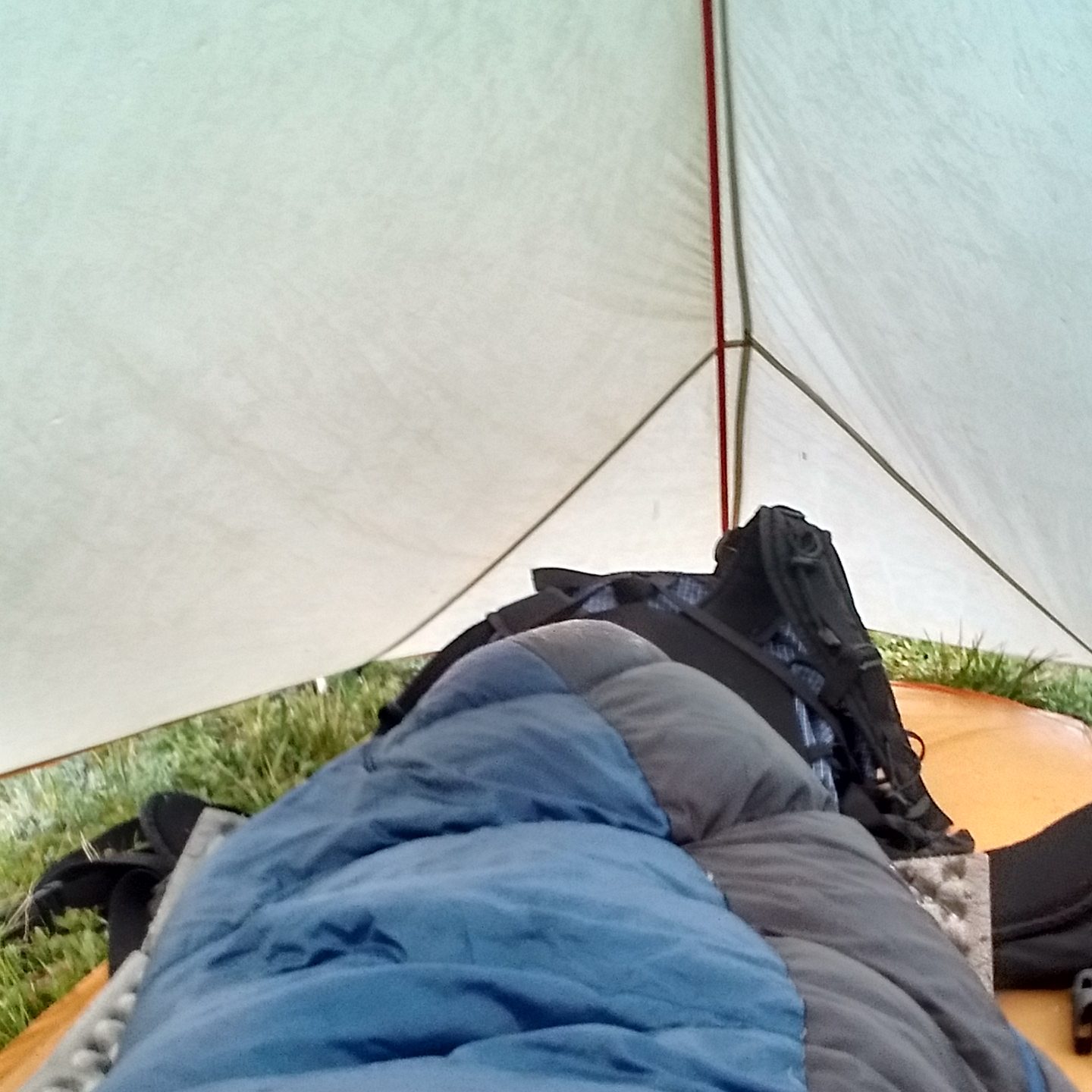
These changes helped me have a wonderful time on the Colorado Trail. However, what works for one thru-hiker might not work for another. And what works on one trip, may not work on the next. When I do my next thru-hike (which might be sooner than later…!), I’m sure I will have many new insights and learn many new lessons. Until then, happy trails!
How have your backpacking habits or gear changed over time? If you’re planning your first thru-hike, what questions do you have? Join the conversation in the comments section below!
 Adventures with Val
Leave a comment